Which tarot cards mean yes, and which mean no
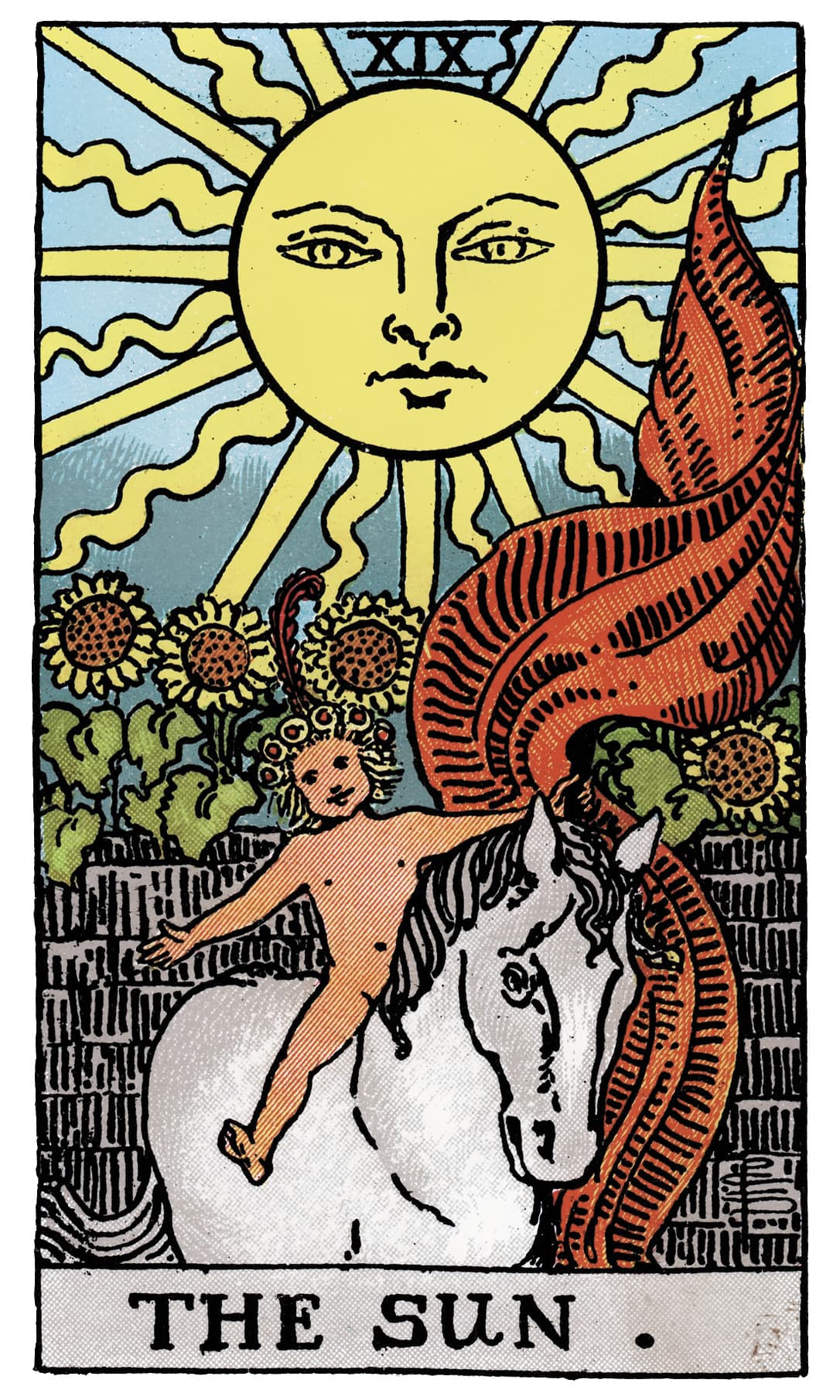
Every card has a tone, and readers pick it up from the image. Is the figure moving forward or pulling back? Is the sky clear or overcast? Are the hands open or clenched? On the Rider-Waite-Smith deck this is easy to see. The child on the white horse in the Sun rides toward you with arms flung wide. The figures in the Tower are falling headfirst.
This is the most widely used split of the Major Arcana (each card has a short explanation in the gallery below):
- YES: The Fool, The Magician, The Empress, The Emperor, The Hierophant, The Lovers, The Chariot, Strength, Wheel of Fortune, Temperance, The Star, The Sun, Judgement, The World.
- NO: The Hermit, Death, The Devil, The Tower.
- MAYBE: The High Priestess, Justice, The Hanged Man, The Moon.
The Major Arcana: yes, no or maybe?
Tap a thumbnail to jump to a card
0
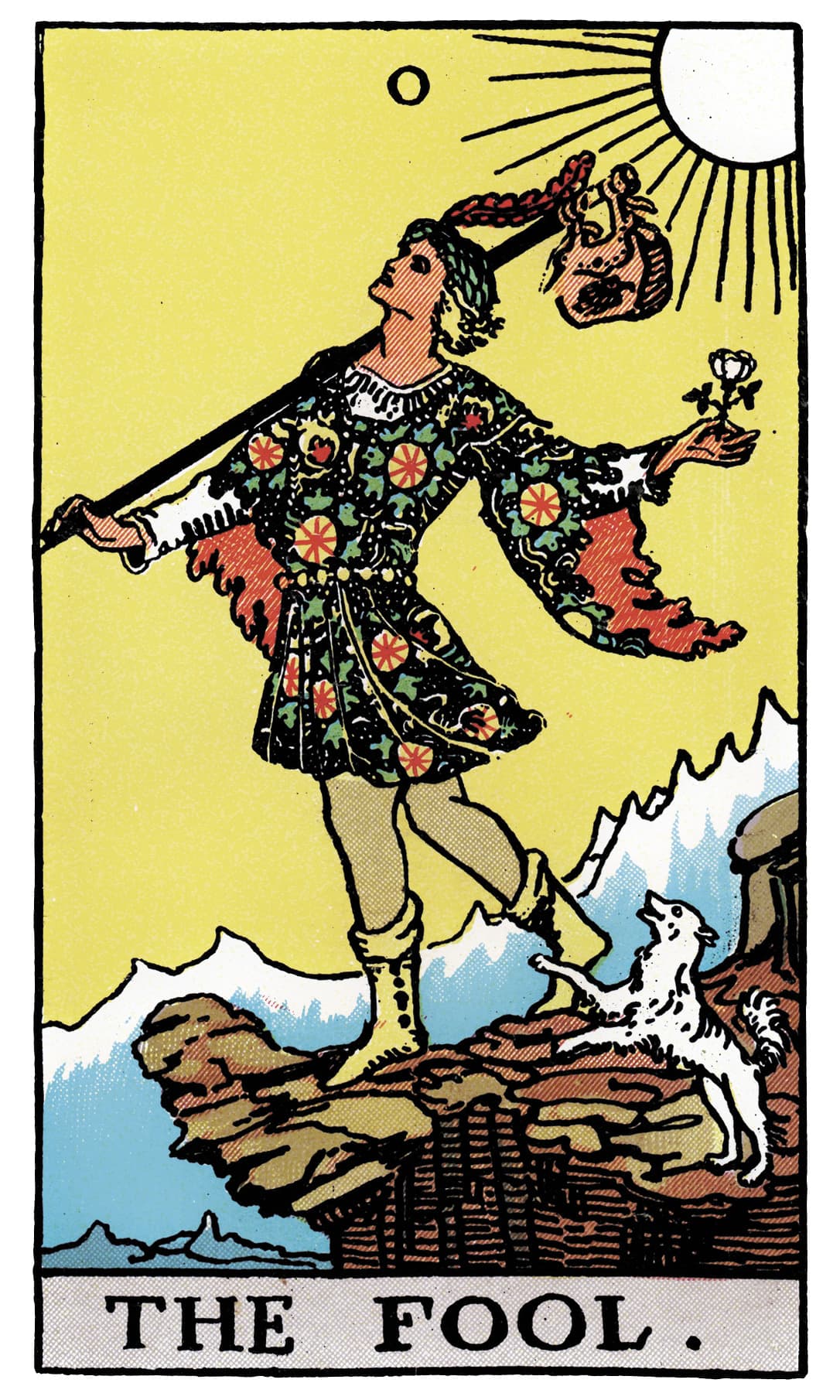
The Fool
YES. A step toward the cliff edge with a white rose in hand and a dog at his heels. This card of elemental Air says yes to ideas that take courage, though it doesn't promise things will go to plan.
I
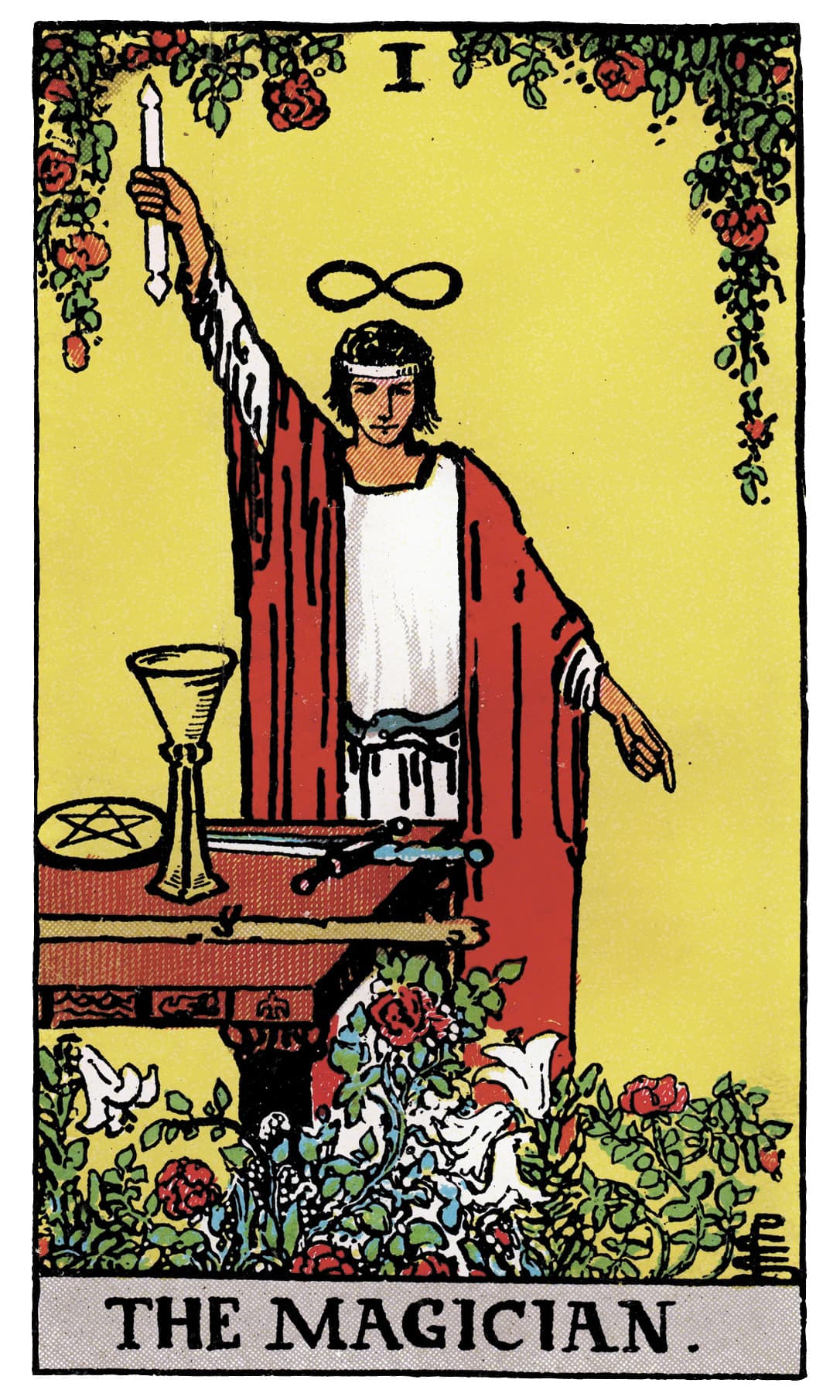
The Magician
YES. All four tools lie on the table and the infinity sign floats above his head. Mercury brings agency: you already have what you need to begin.
II
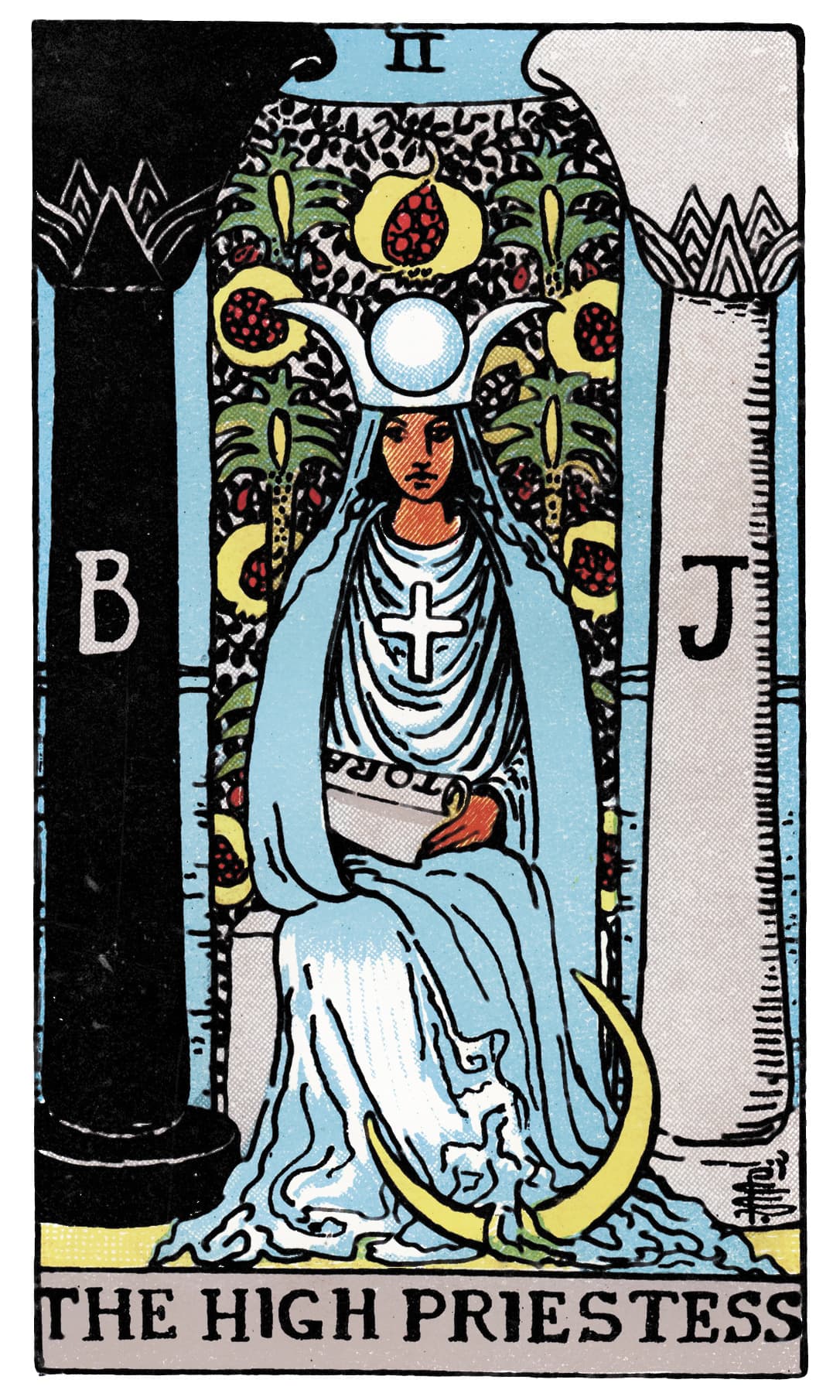
The High Priestess
MAYBE. She sits between the pillars Boaz and Jachin with the Torah scroll half hidden in her robe. As the card of the Moon, she says the answer hasn't revealed itself yet, or depends on knowledge you don't have. Wait and listen inward.
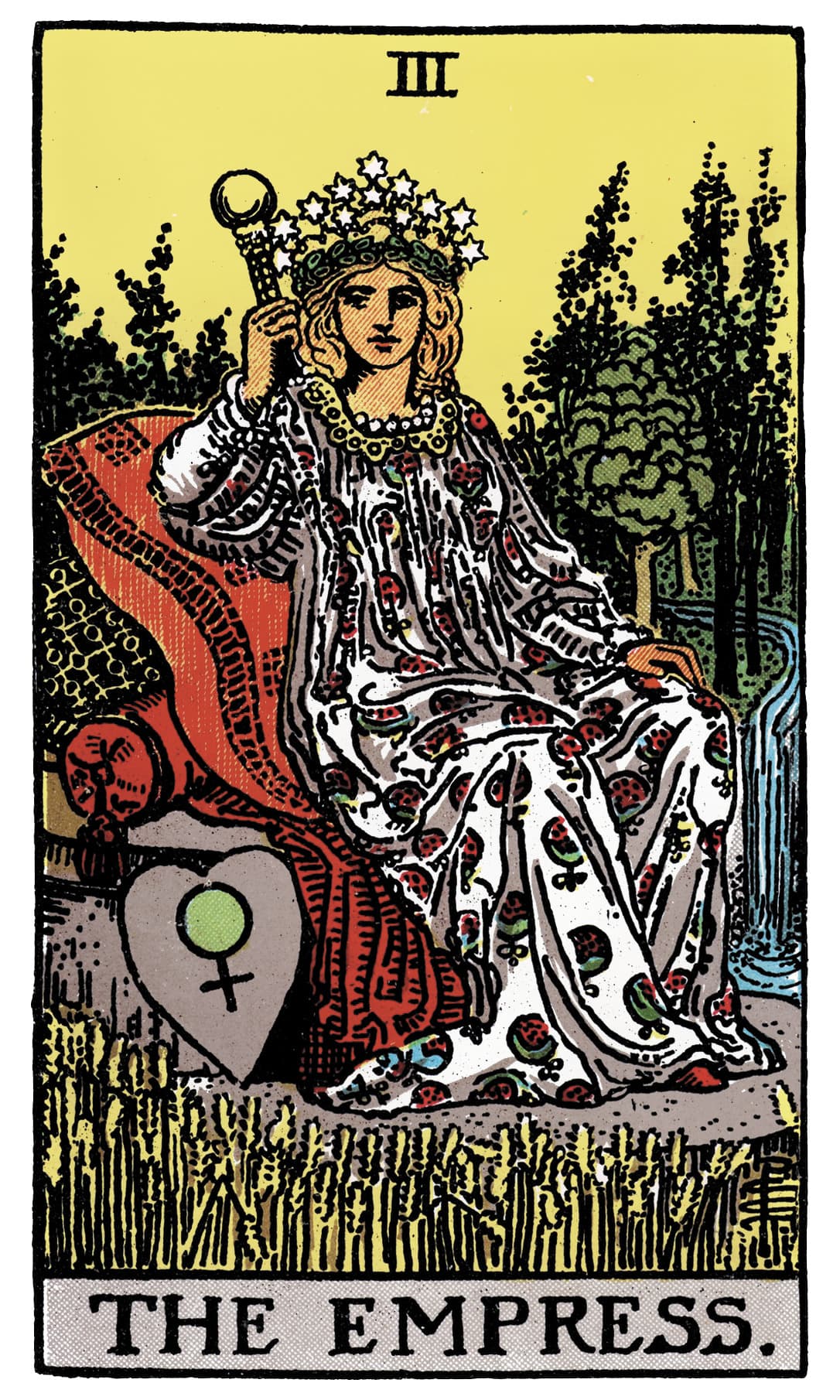
III
The Empress
YES. Ripe wheat, a shield bearing the symbol of Venus, a stream running out of the woods. A strong yes for love, home, pregnancy and creative work.
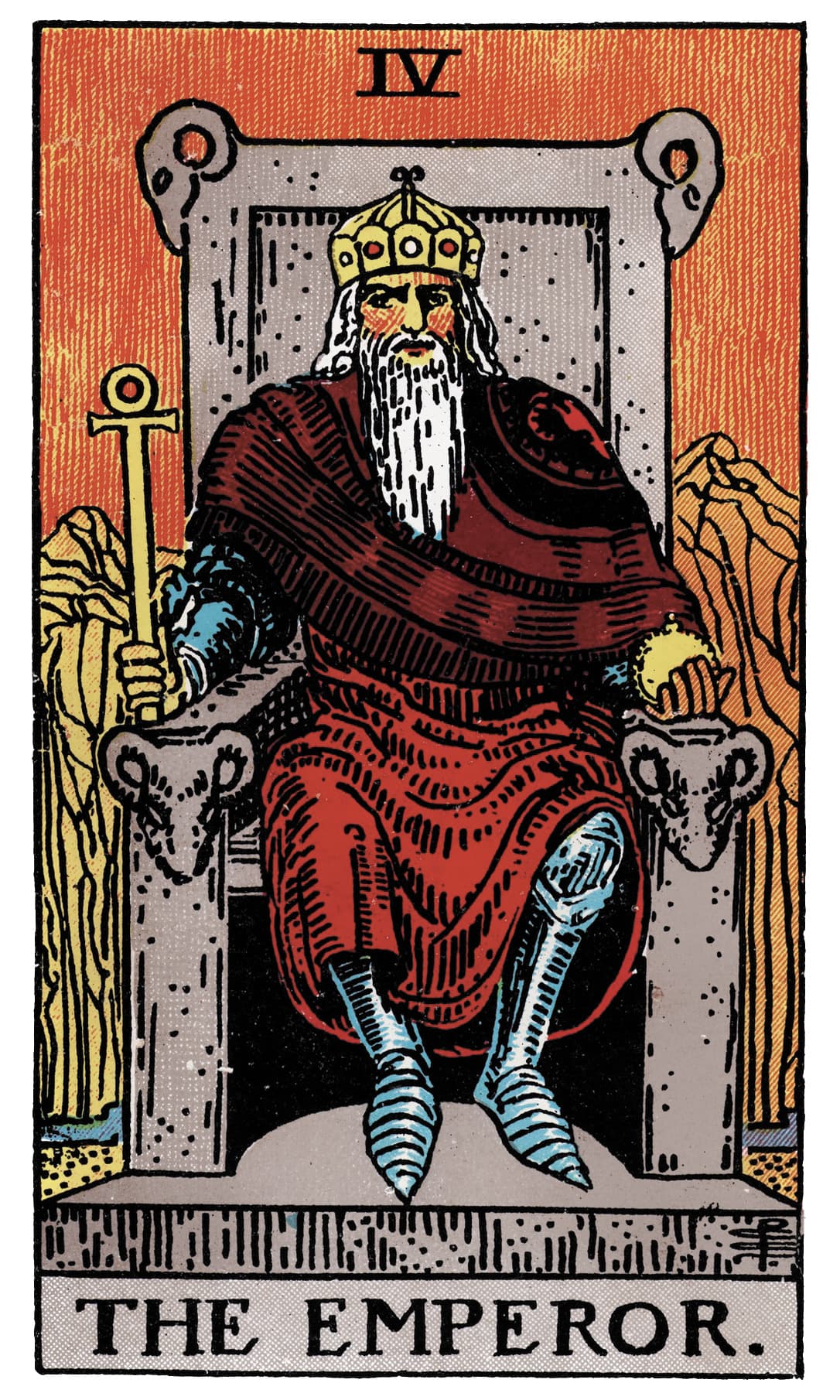
IV
The Emperor
YES. A stone throne carved with rams' heads, the sign of Aries. Yes, provided you bring structure, a plan and a willingness to take responsibility.
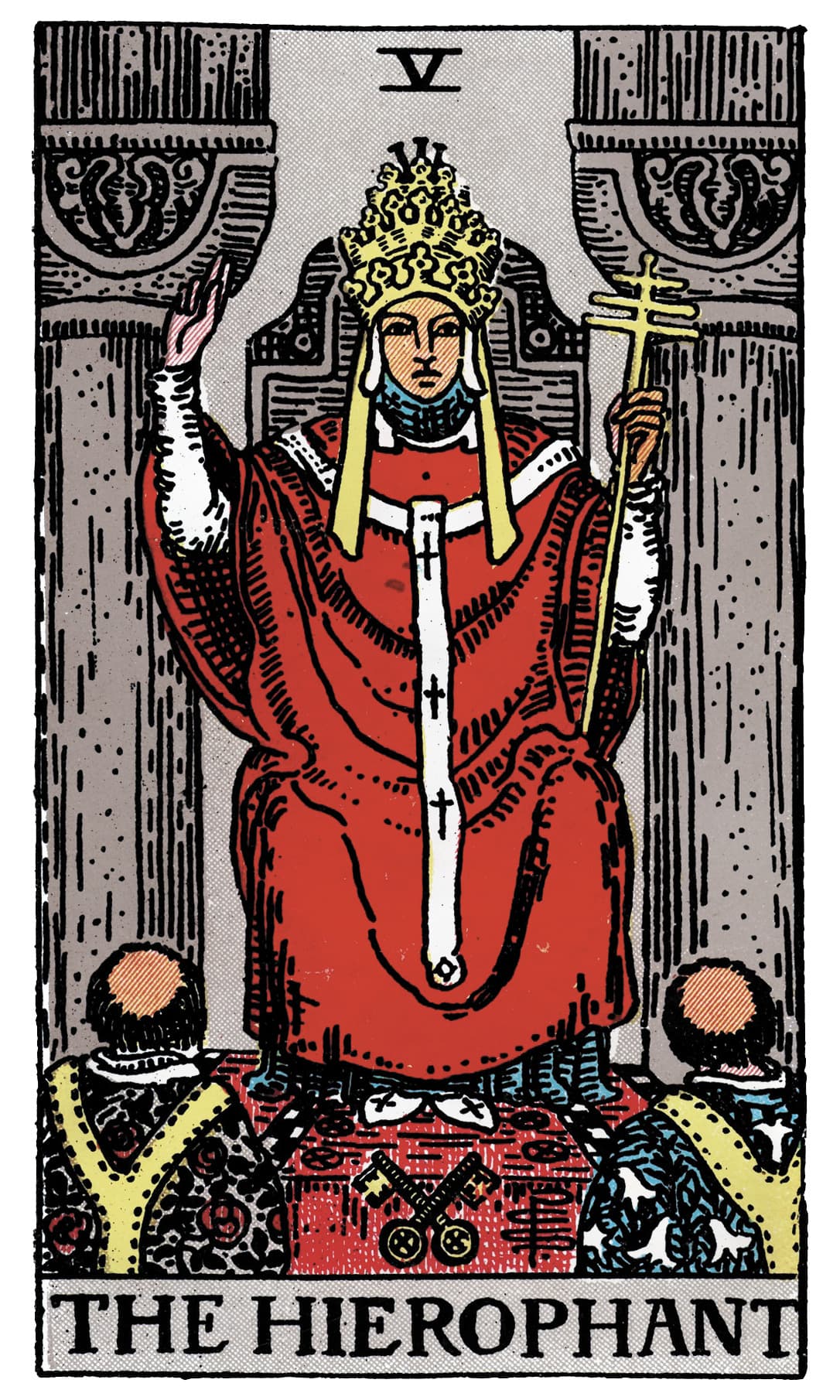
V
The Hierophant
YES. Crossed keys at his feet, two acolytes, the sign of Taurus. Yes to formal routes: marriage, contracts, study, advice from someone experienced. Weaker for ideas that break with convention.
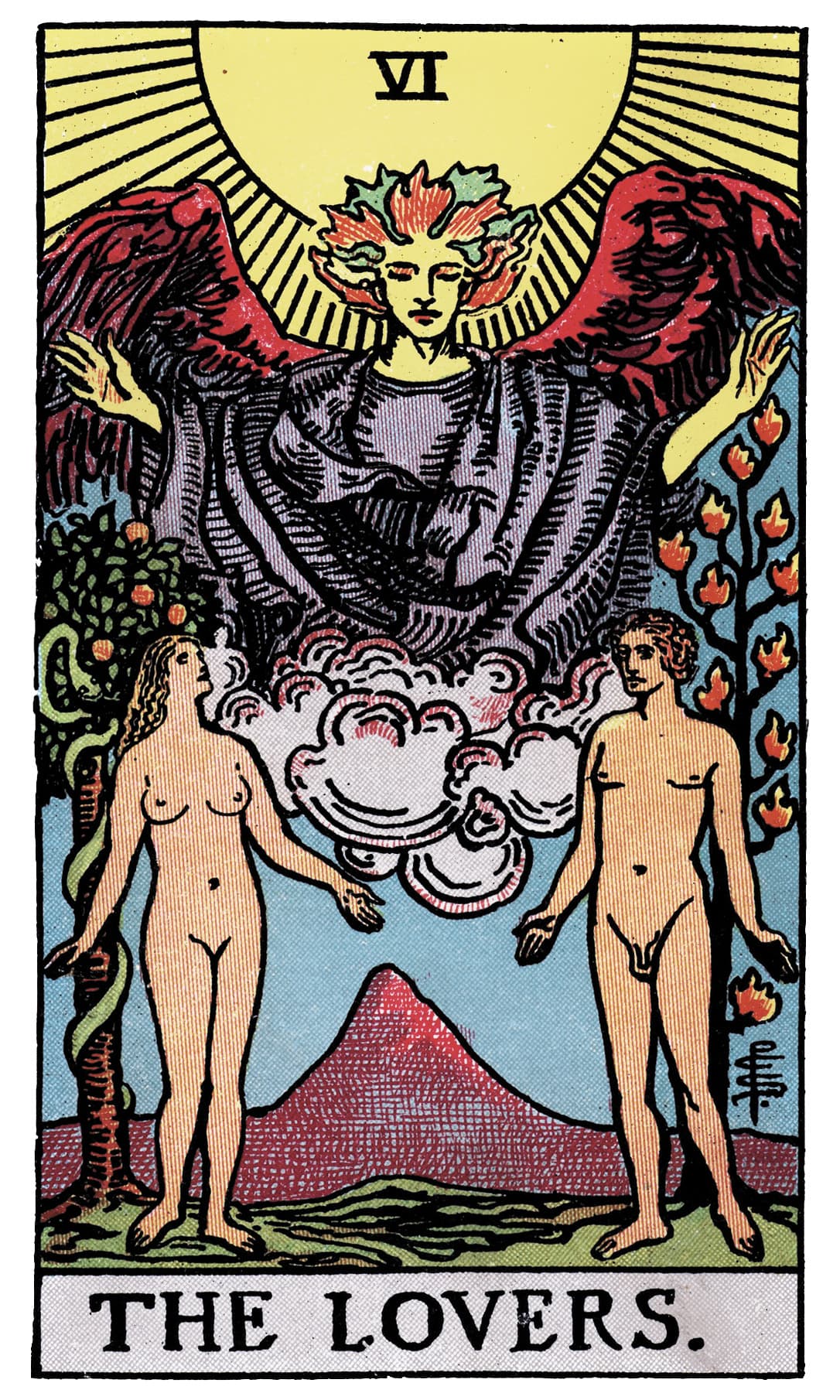
VI
The Lovers
YES. The archangel Raphael blesses the couple beneath a blazing sun, the sign of Gemini. A strong yes in love and in any choice that honours your values.
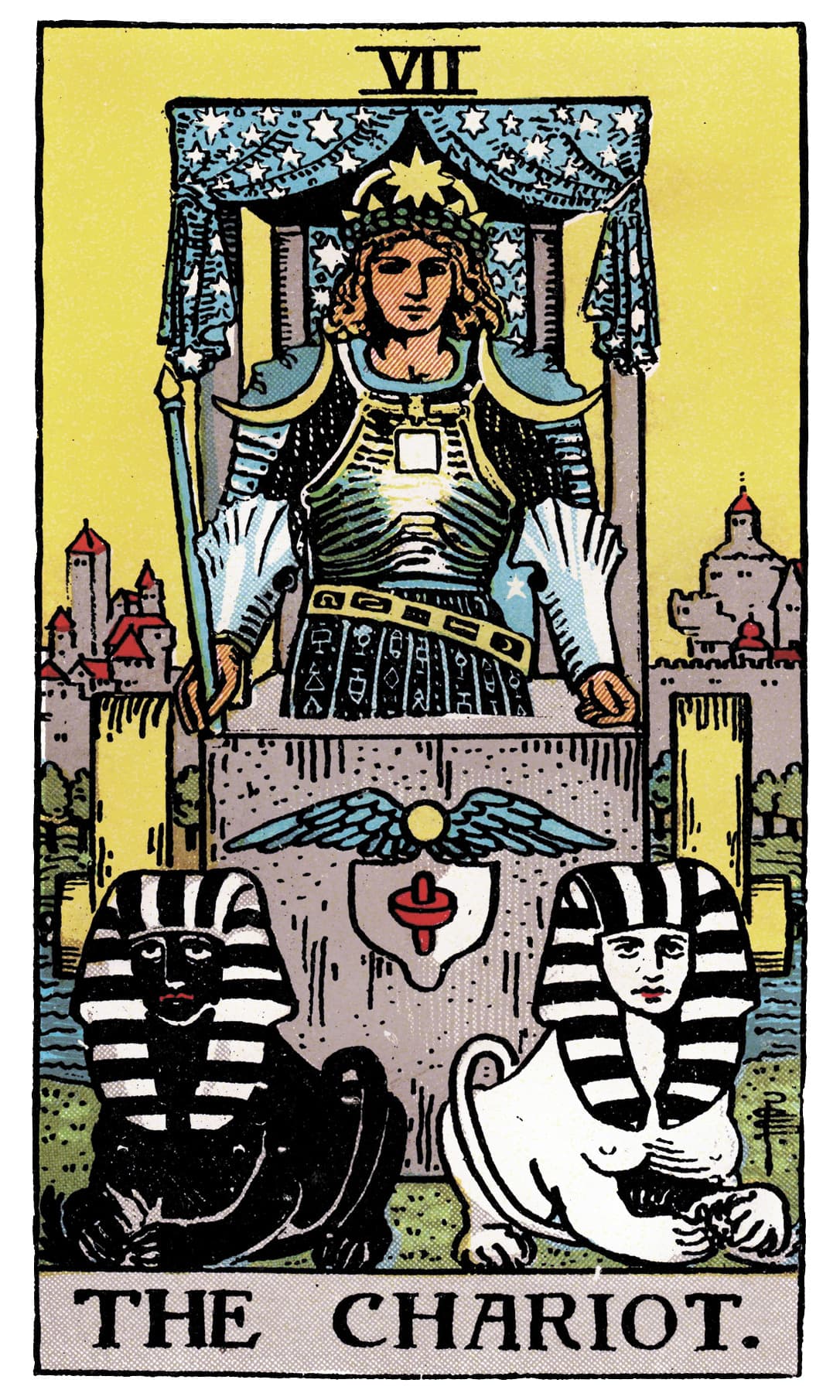
VII
The Chariot
YES. A charioteer without reins drives a black and a white sphinx by willpower. Movement, victory, travel. Cancer, the sign of this card, adds that you move forward carrying whatever feels like home.
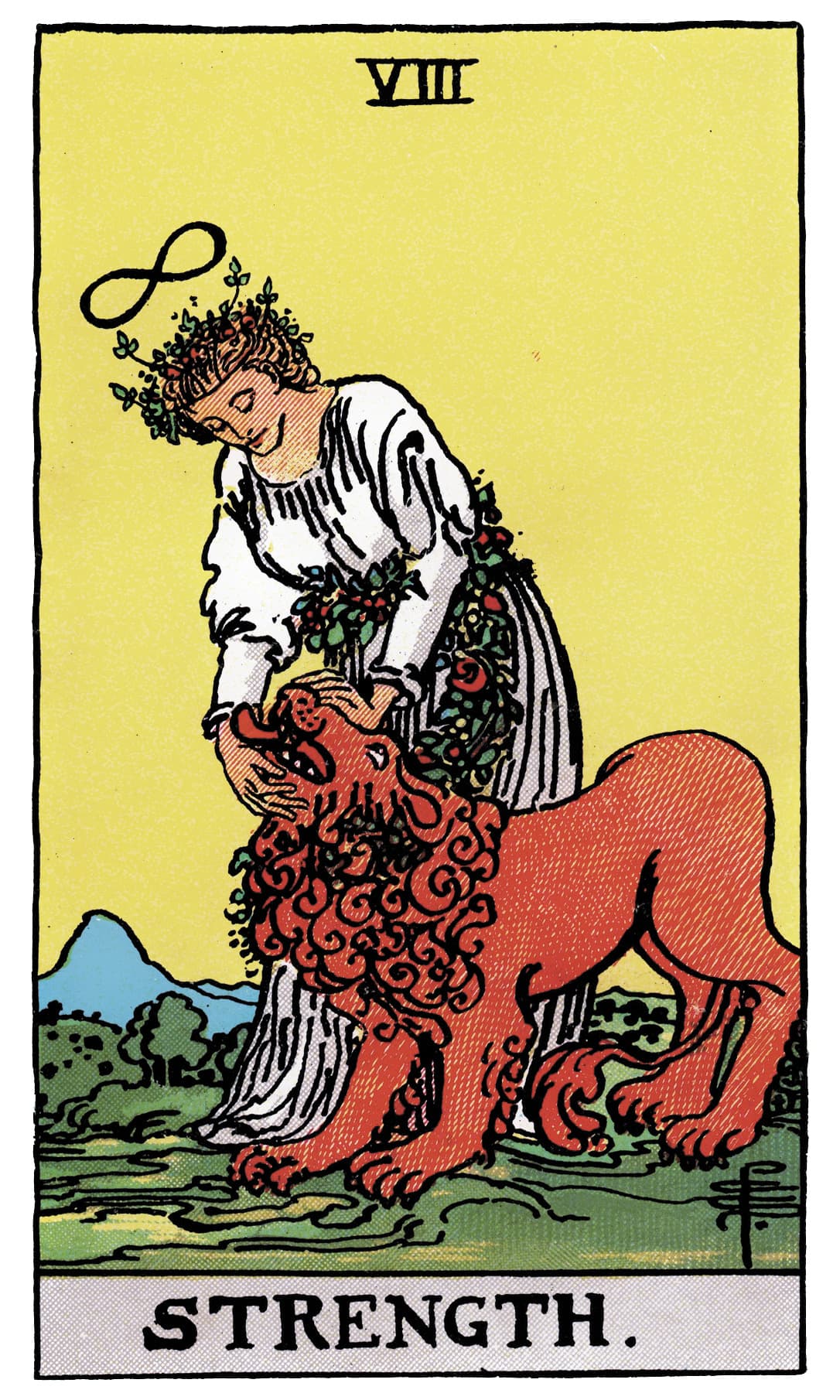
VIII
Strength
YES. A woman with the lemniscate over her head gently closes the lion's jaws, the sign of Leo. A yes won through patience and quiet strength, not force.
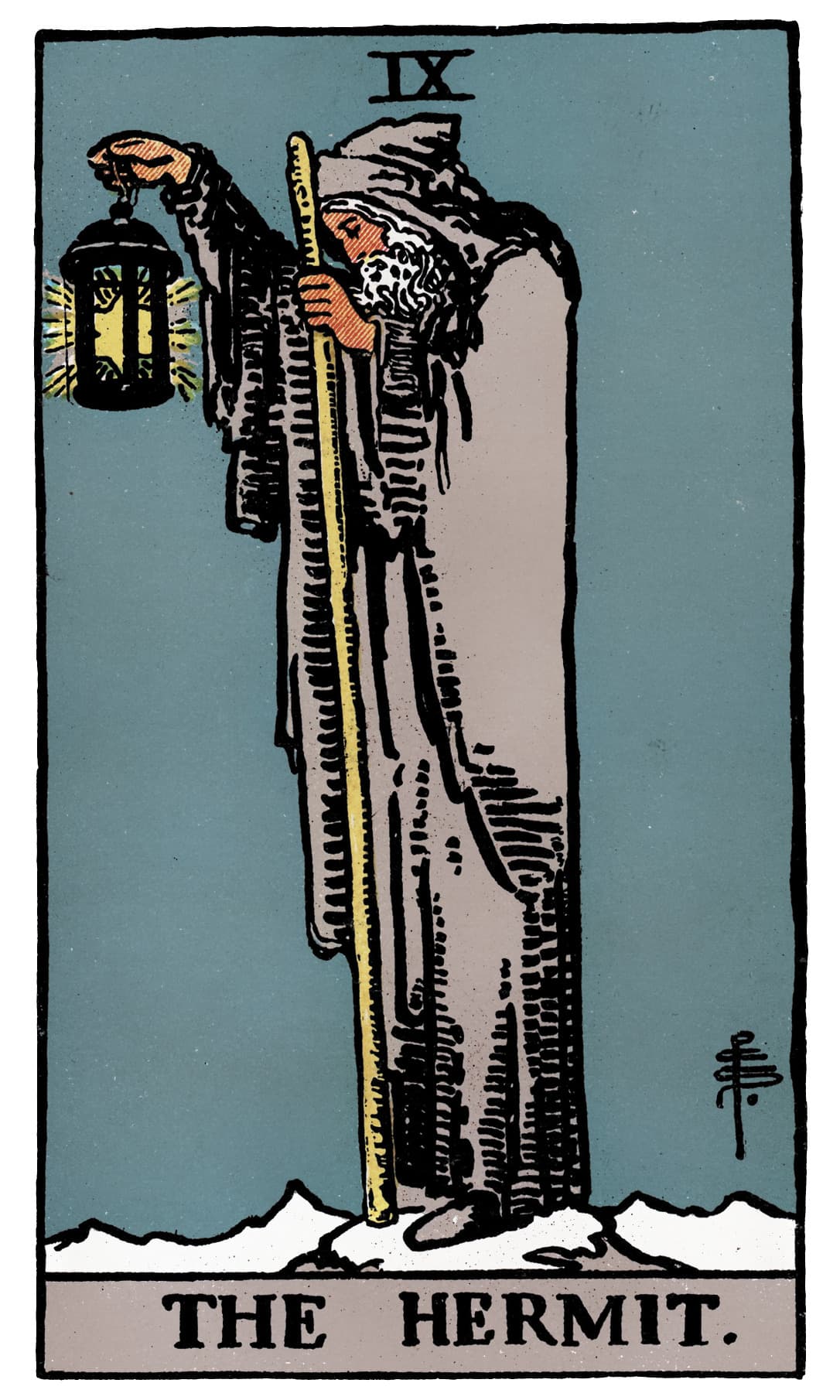
IX
The Hermit
NO, or at least not now. An old man stands alone on a peak, holding a lantern with a six-pointed star inside. Virgo says it is time for analysis and withdrawal, not action.
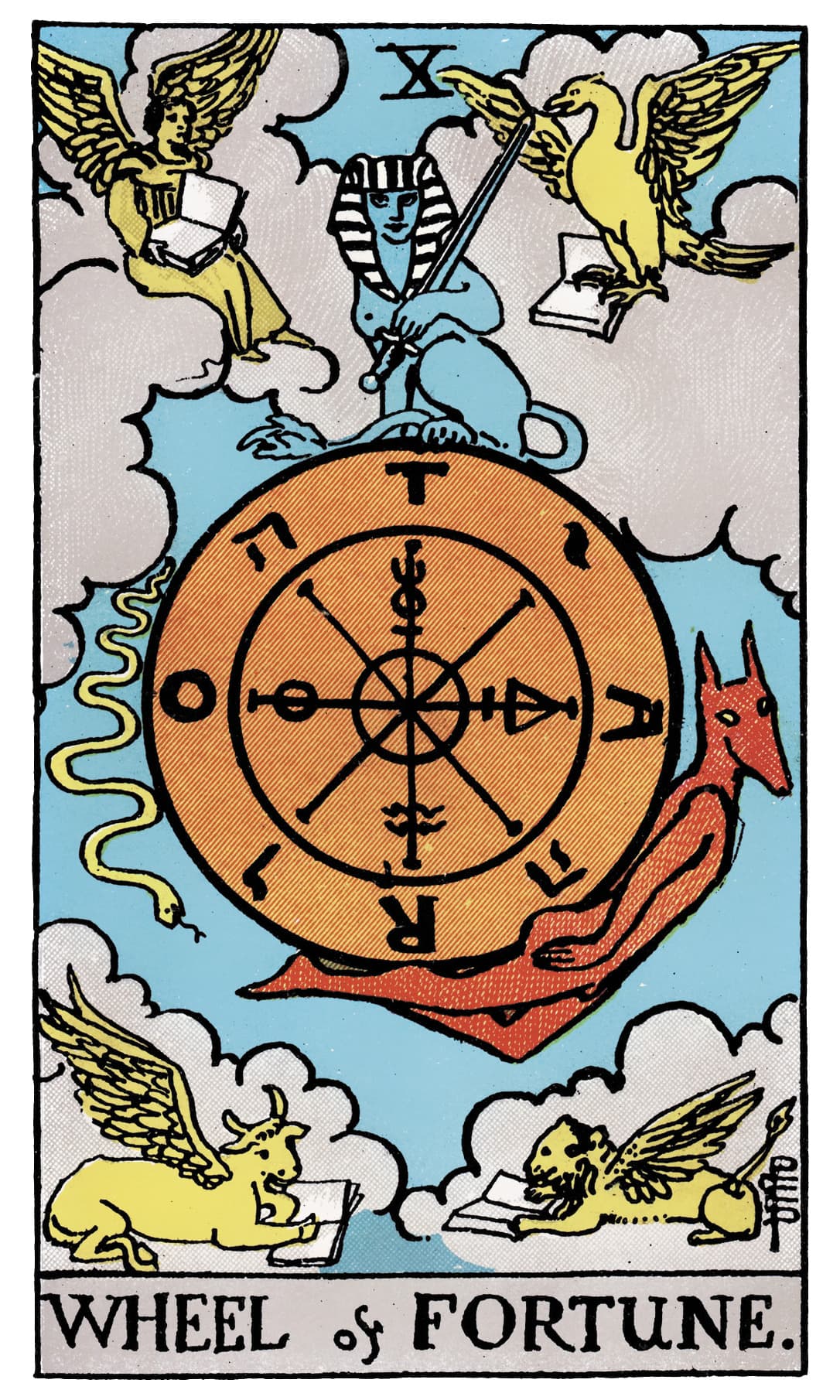
X
Wheel of Fortune
YES. A wheel inscribed with TARO, a sphinx on top, four winged creatures in the corners. Jupiter brings a turn for the better and luck that arrives in its own time.
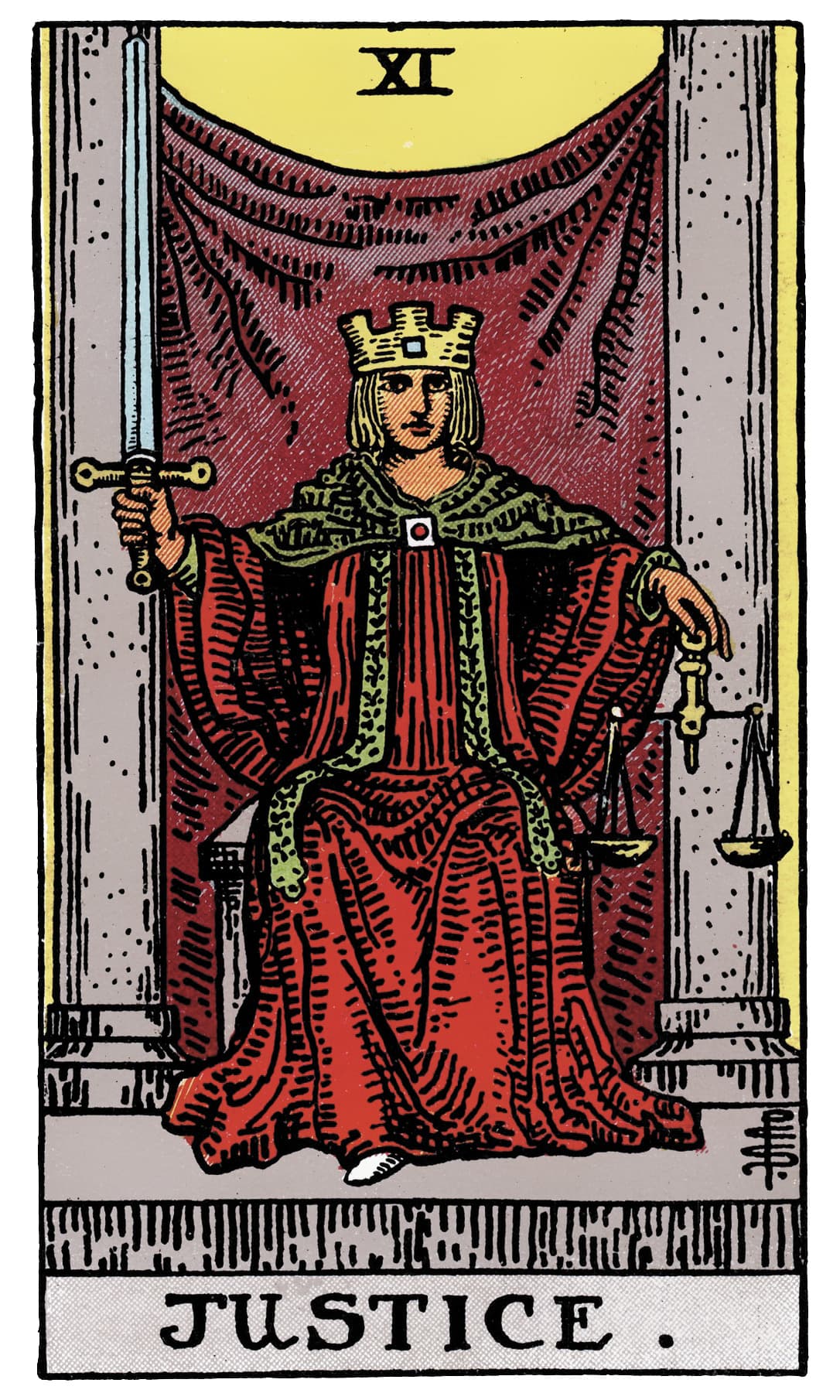
XI
Justice
MAYBE. Sword in the right hand, scales in the left, the sign of Libra. The answer rests on the facts and on what has already been sown. If you are in the right and playing fair, the scales tip toward yes.
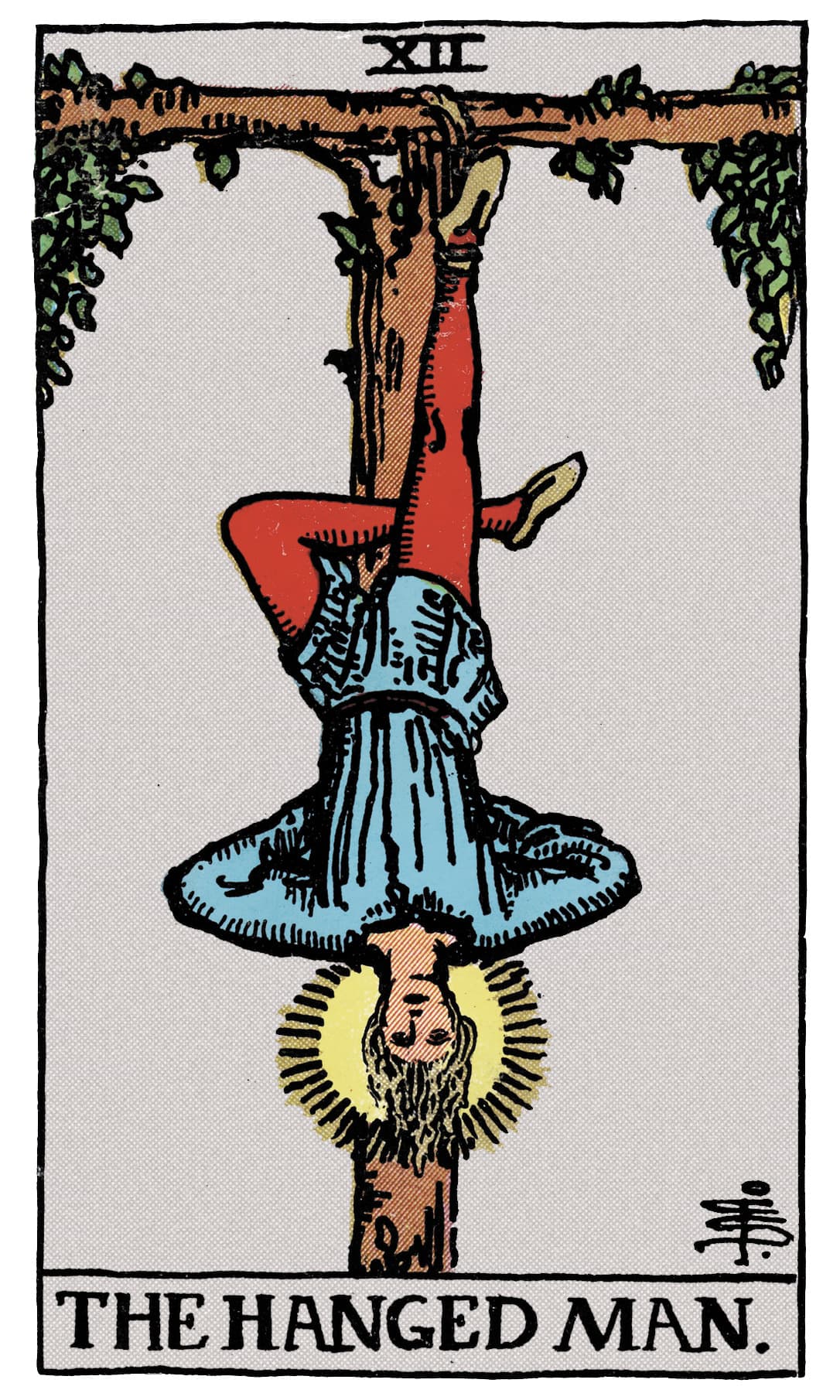
XII
The Hanged Man
MAYBE. He hangs upside down from a tau-shaped tree, haloed and serene. Things are on hold: shift your perspective before you act, because nothing can be rushed right now.
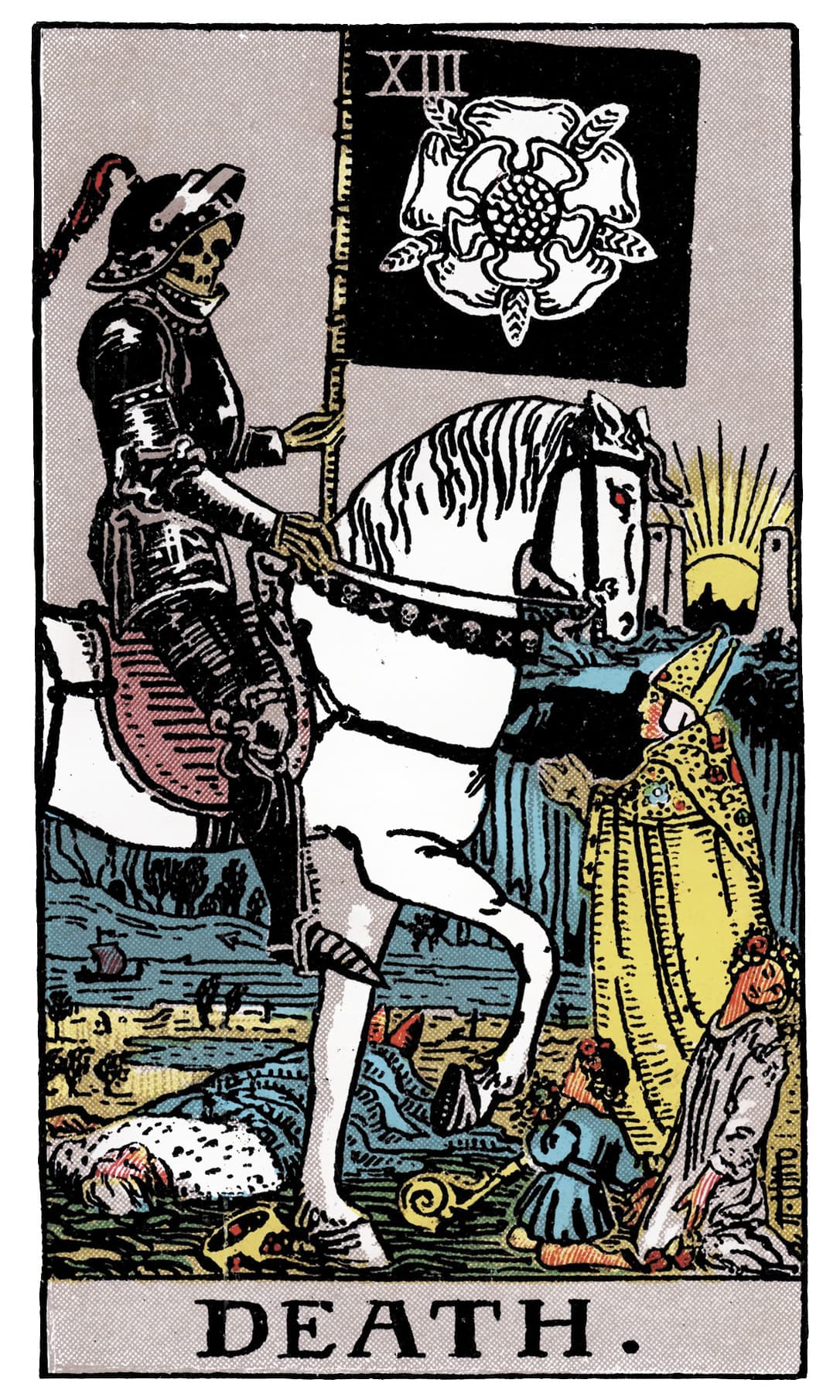
XIII
Death
NO to the situation in its current form. A knight in black armour on a white horse carries a banner with a white rose, the sign of Scorpio. Something has to end, and the new only rises afterwards, like the sun between the two towers in the background.
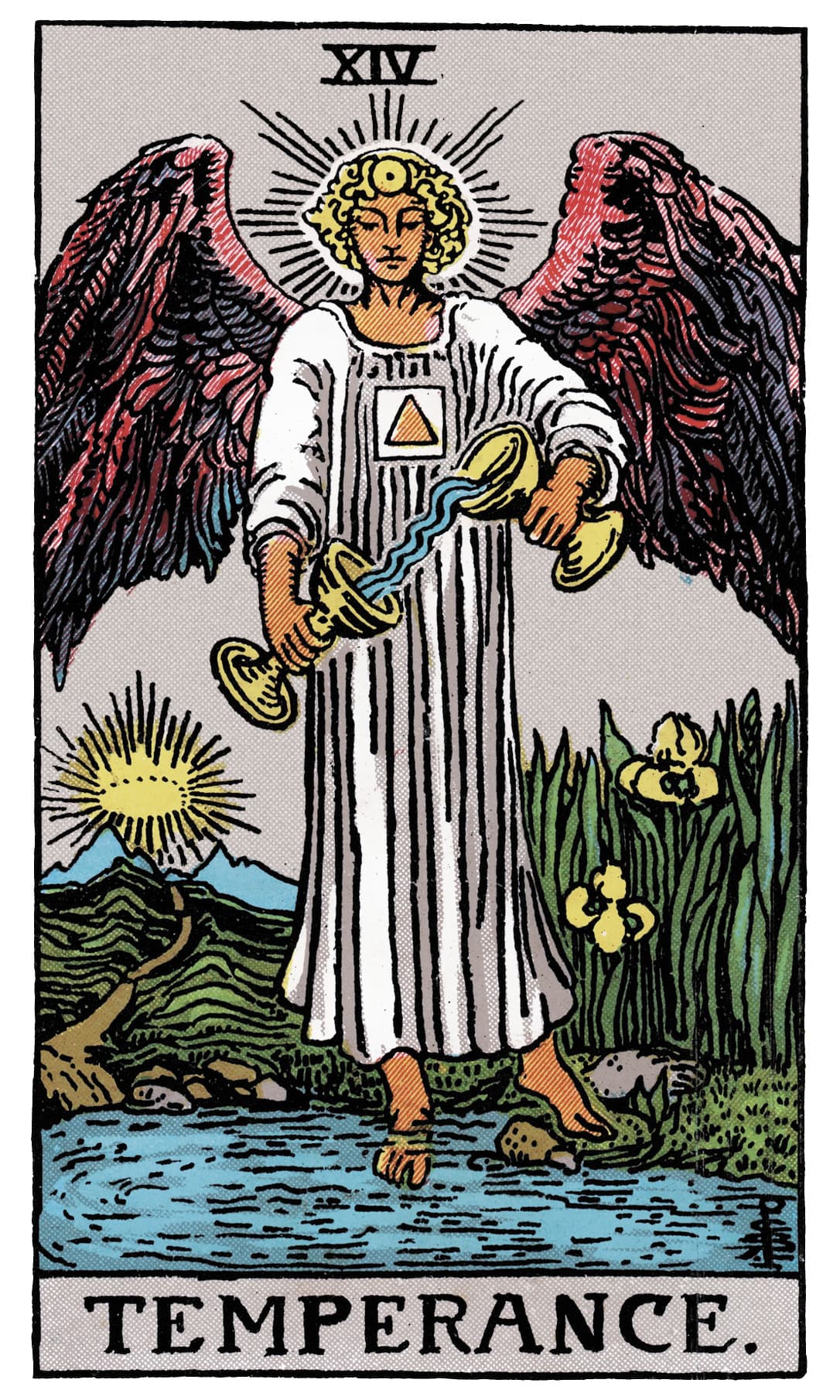
XIV
Temperance
YES, but slowly. An angel pours water between two cups, one foot in the pool and one on land, the sign of Sagittarius. A yes to the goal, on condition of moderation and patience.
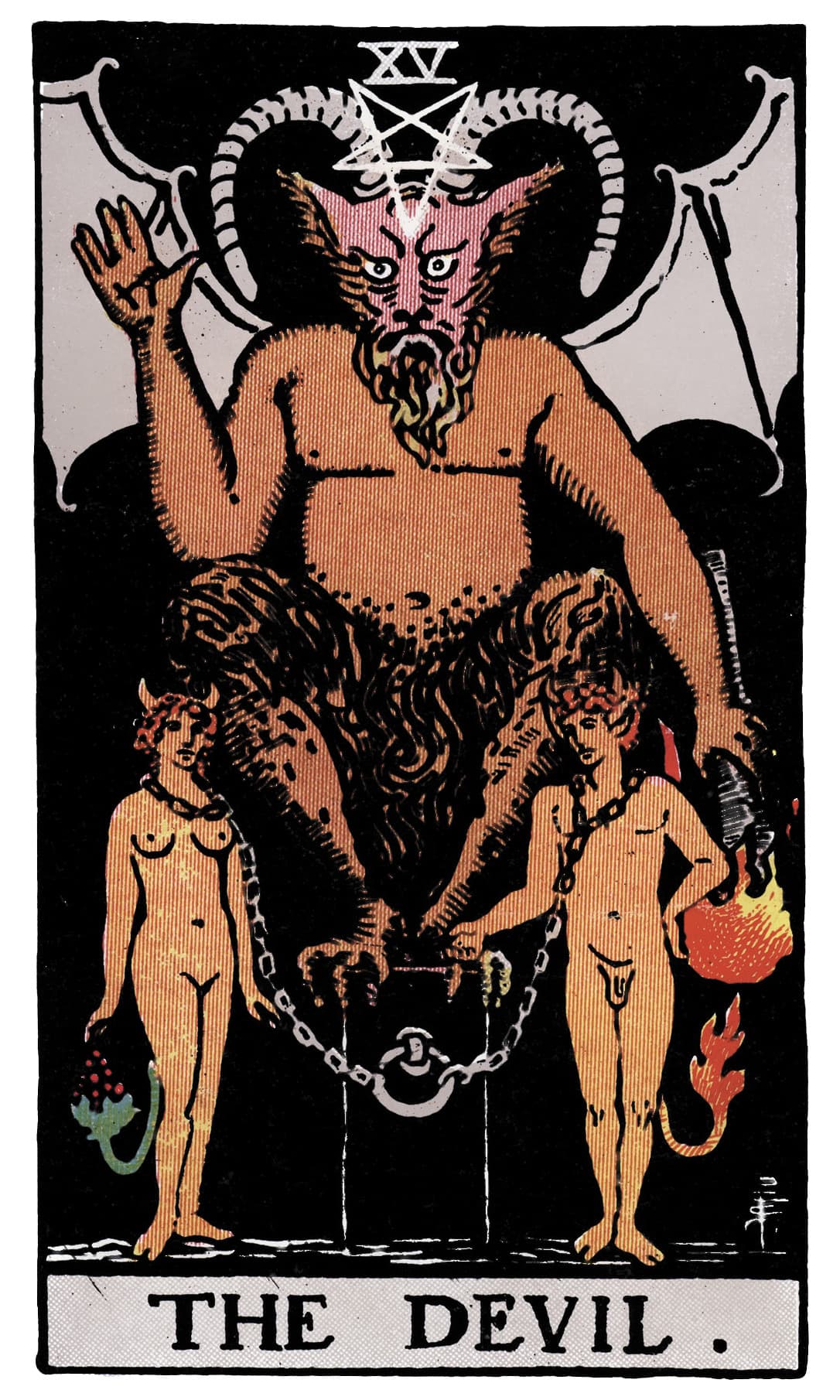
XV
The Devil
NO. A couple loosely chained to a pedestal under an inverted pentagram, the sign of Capricorn. There is attachment, temptation or a trap in this situation. In questions purely about desire it can say yes, but a yes that comes at a price.
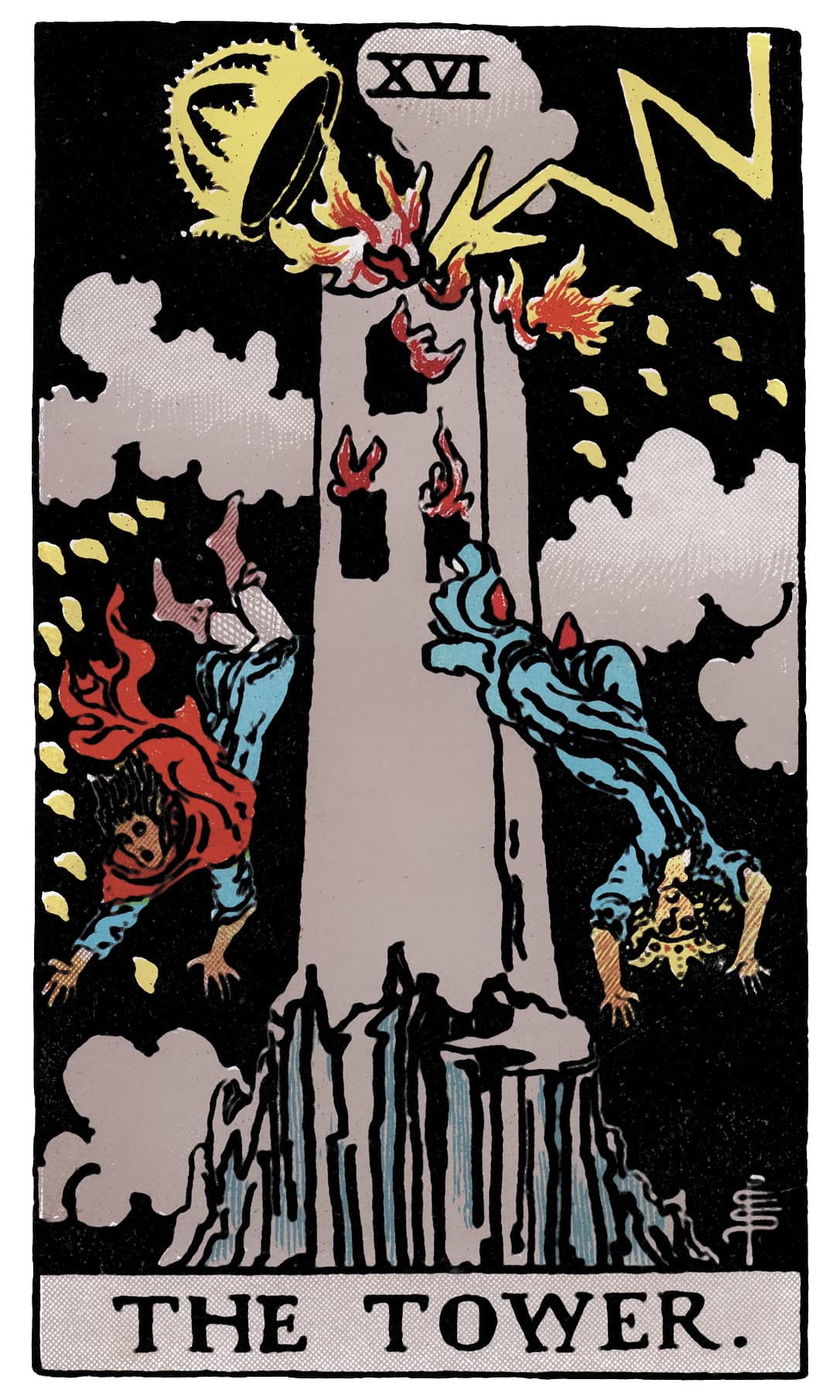
XVI
The Tower
NO. Lightning knocks off the crown, two figures fall, and flames shaped like Hebrew yods rain down. Mars gives the firmest no in the deck, or warns that the plan will collapse before it stabilises.
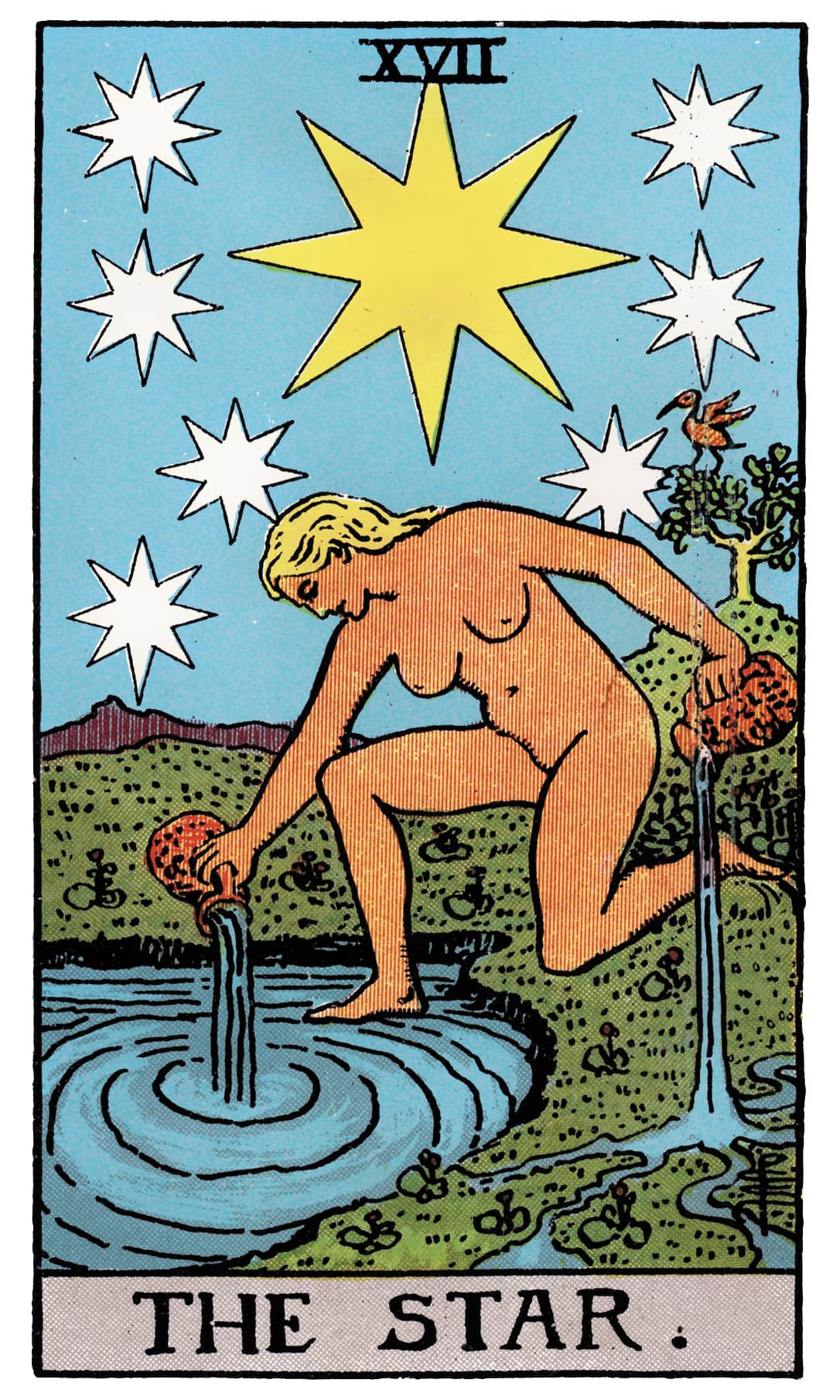
XVII
The Star
YES. A naked woman pours water onto the land and into a pool beneath a great eight-pointed star, the sign of Aquarius. Hope and healing: a yes with a future ahead of it.
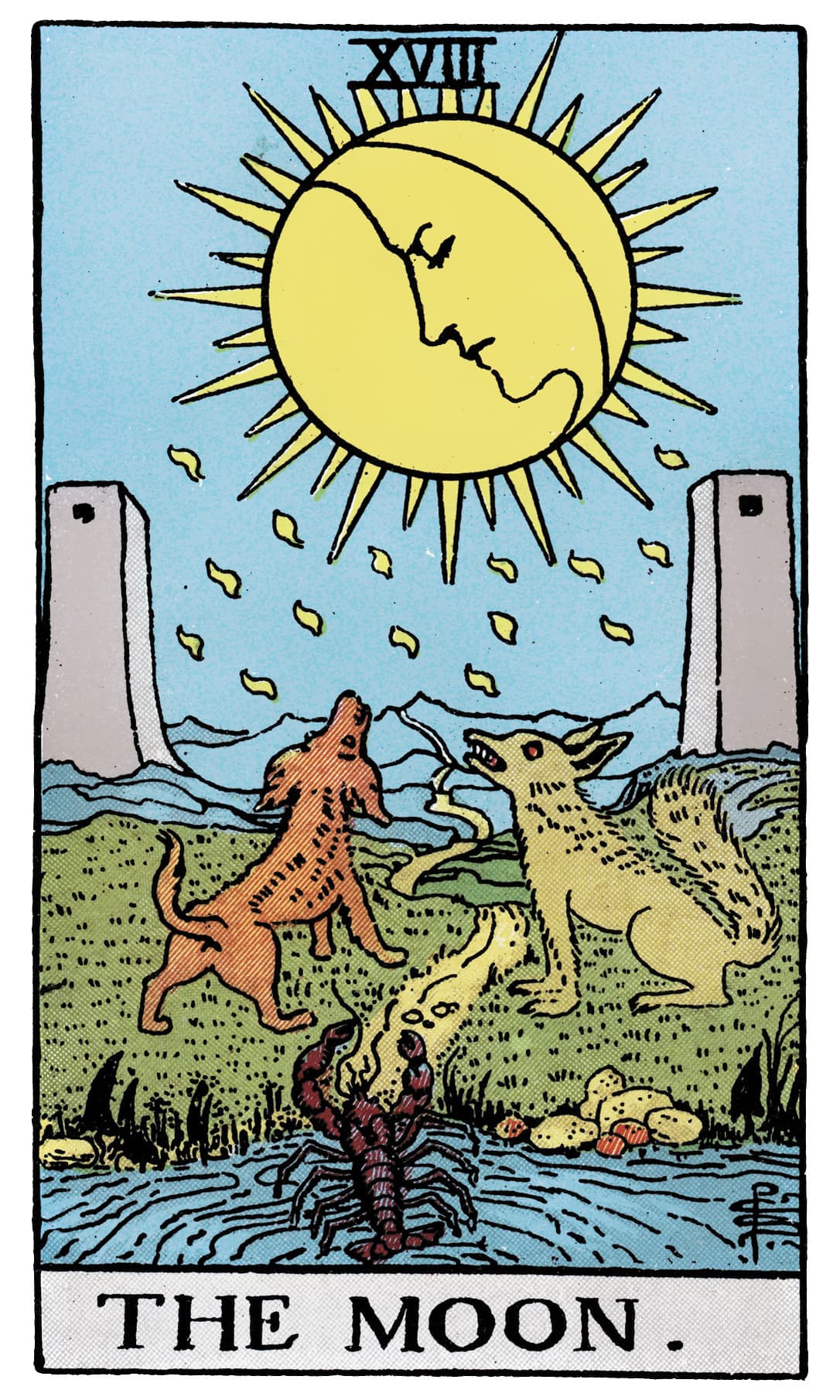
XVIII
The Moon
MAYBE. A dog and a wolf howl at the moon, a crayfish crawls out of the water, the path vanishes between two towers, the sign of Pisces. Too little clarity and a fair amount of illusion. Don't decide until you have checked something.
XIX
The Sun
YES. A child on a white horse under a full sun, sunflowers behind the wall. The brightest yes in the whole tarot, no strings attached.
XX
Judgement
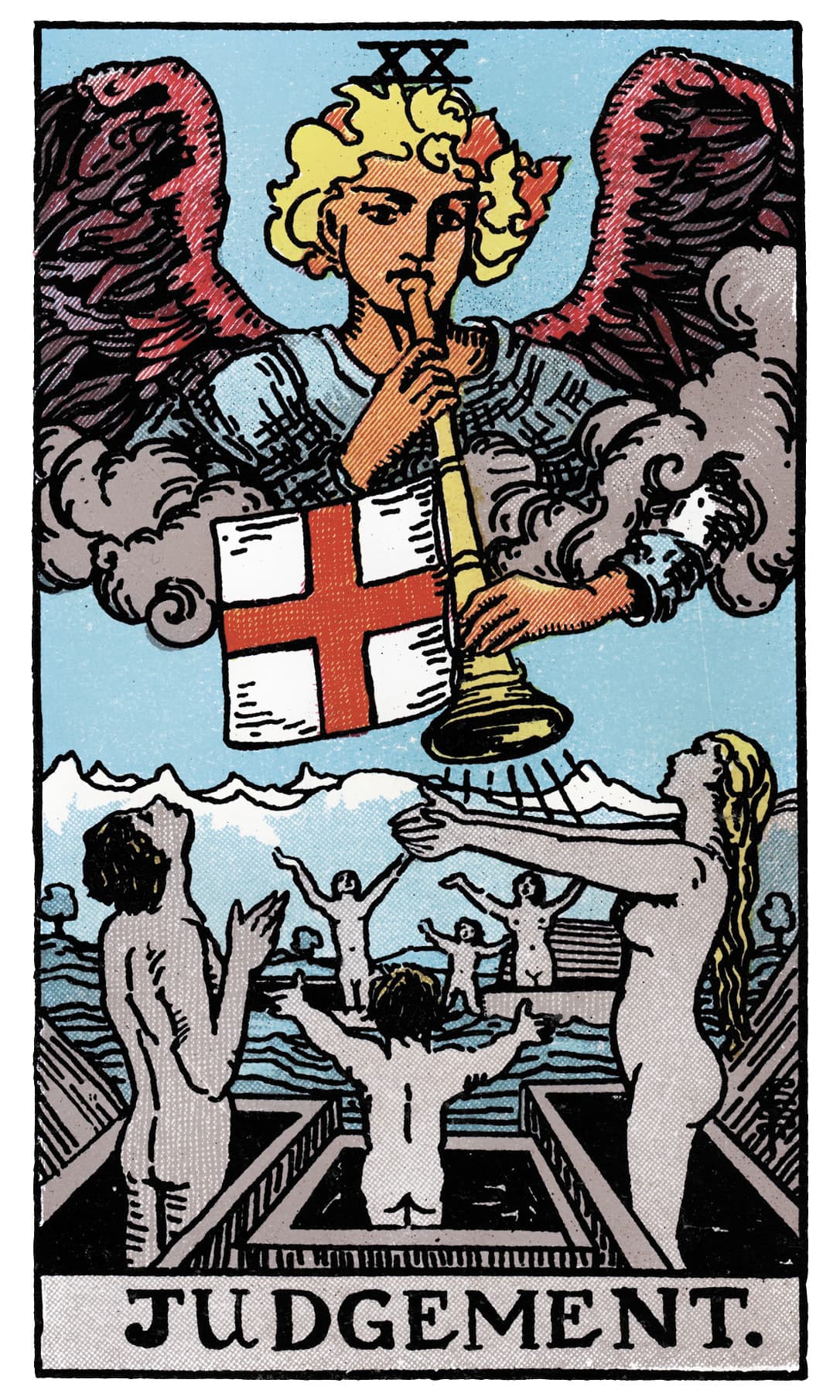
YES. An angel sounds the trumpet and the dead rise from their coffins with arms raised, elemental Fire. Yes to comebacks, second chances and decisions born from an awakening.
XXI
The World
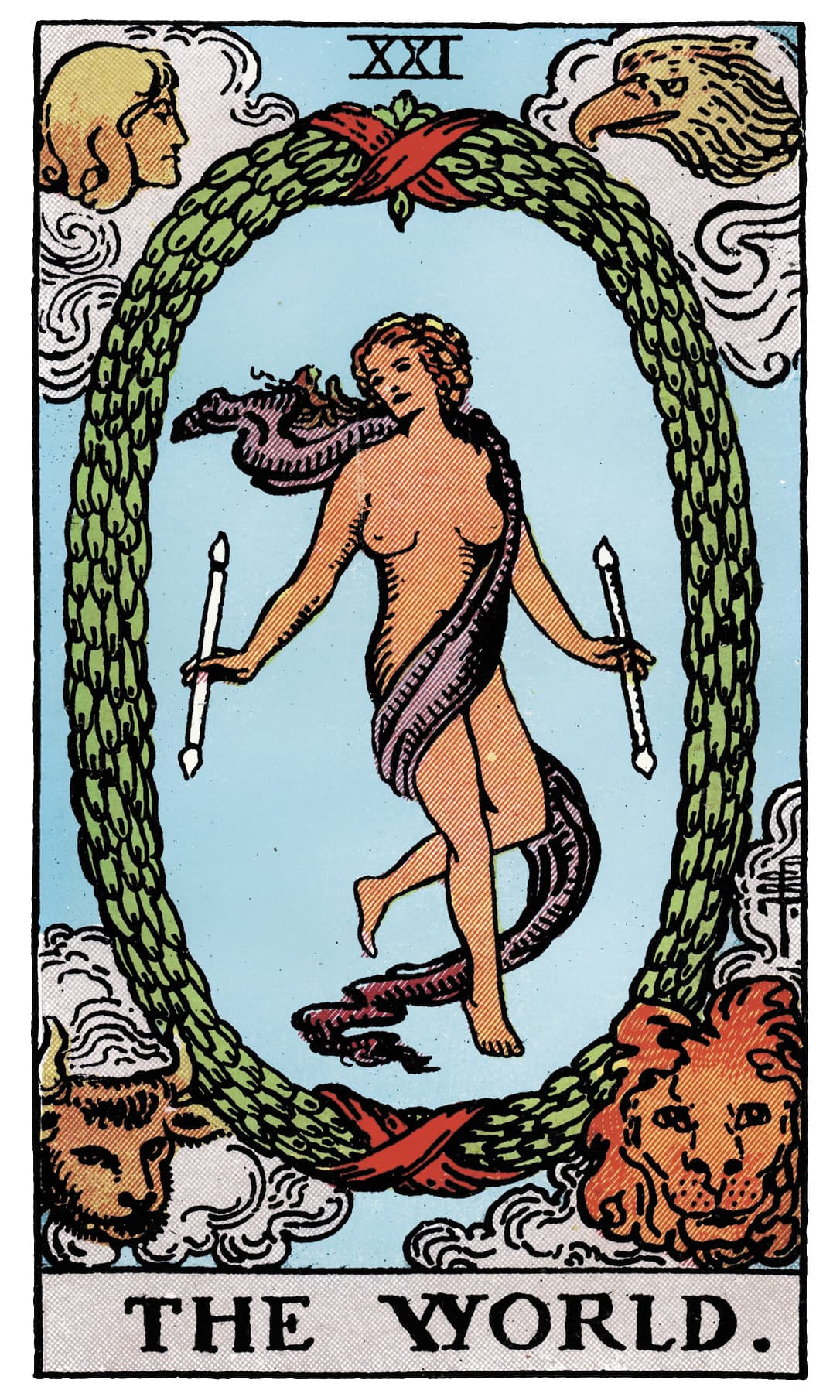
YES. A dancer inside an oval laurel wreath, four creatures in the corners, Saturn. A yes that comes with completion: the matter reaches its fullness.
The one-card method
The simplest and most common approach. Shuffle while holding the question in mind, cut the deck (traditionally with the left hand, into three piles you gather back in any order) and turn over one card. That card is your answer.
The verdict is only half of it, though. The other half is the why. Temperance and the Chariot both say yes, but the Chariot is a yes to moving fast right now, while Temperance is a yes to getting there gradually, with the patience of Sagittarius aiming at a distant target. A good yes or no reading always includes a line about the conditions under which that yes comes true.
Three cards, and counting upright versus reversed
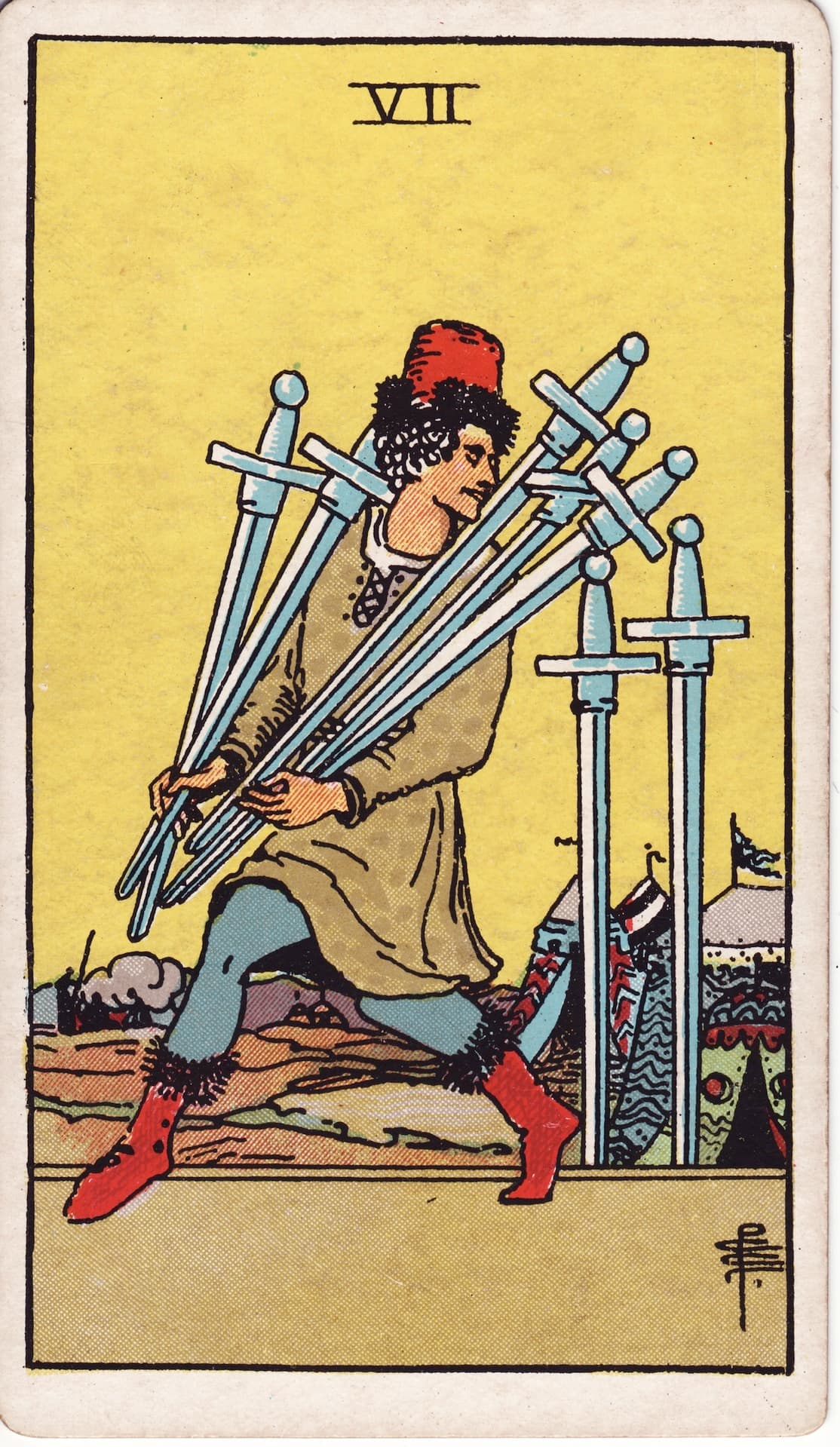
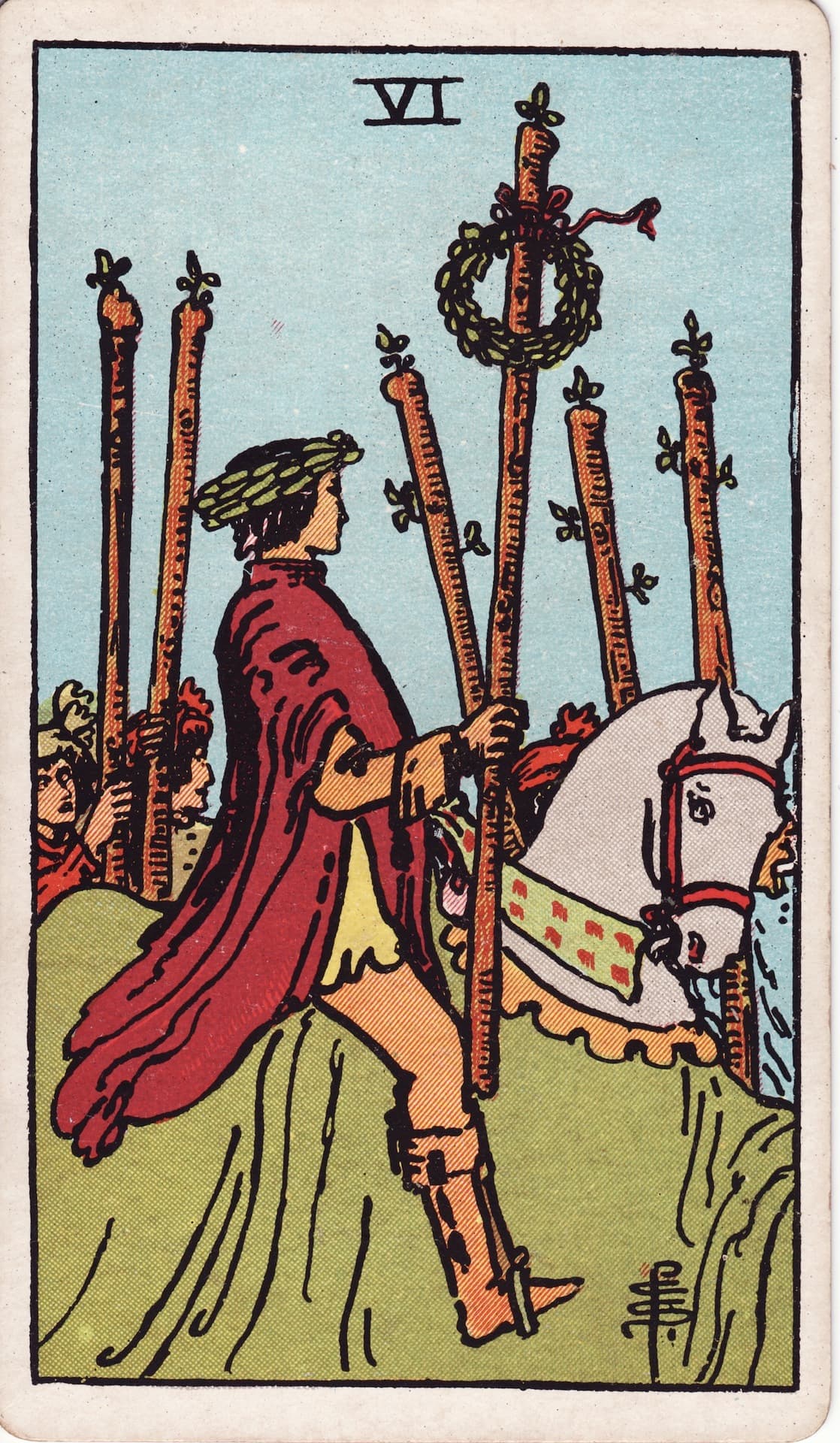
With three cards you have two options. The first is majority vote: each card casts its own yes or no, and two against one settles it. The card in the minority doesn't vanish; it shows what could get in the way. The second option uses positions: card one is context, card two the obstacle, card three the verdict. Here the last card decides and the first two explain it.
A separate and very old technique is counting orientation. Upright means yes, reversed means no, whatever the card shows. With three cards, three uprights make a strong yes, two uprights and one reversal make a yes with a caveat, and a majority of reversals means no. If you read reversals differently in other spreads, the guide to reversed tarot cards goes into the options.
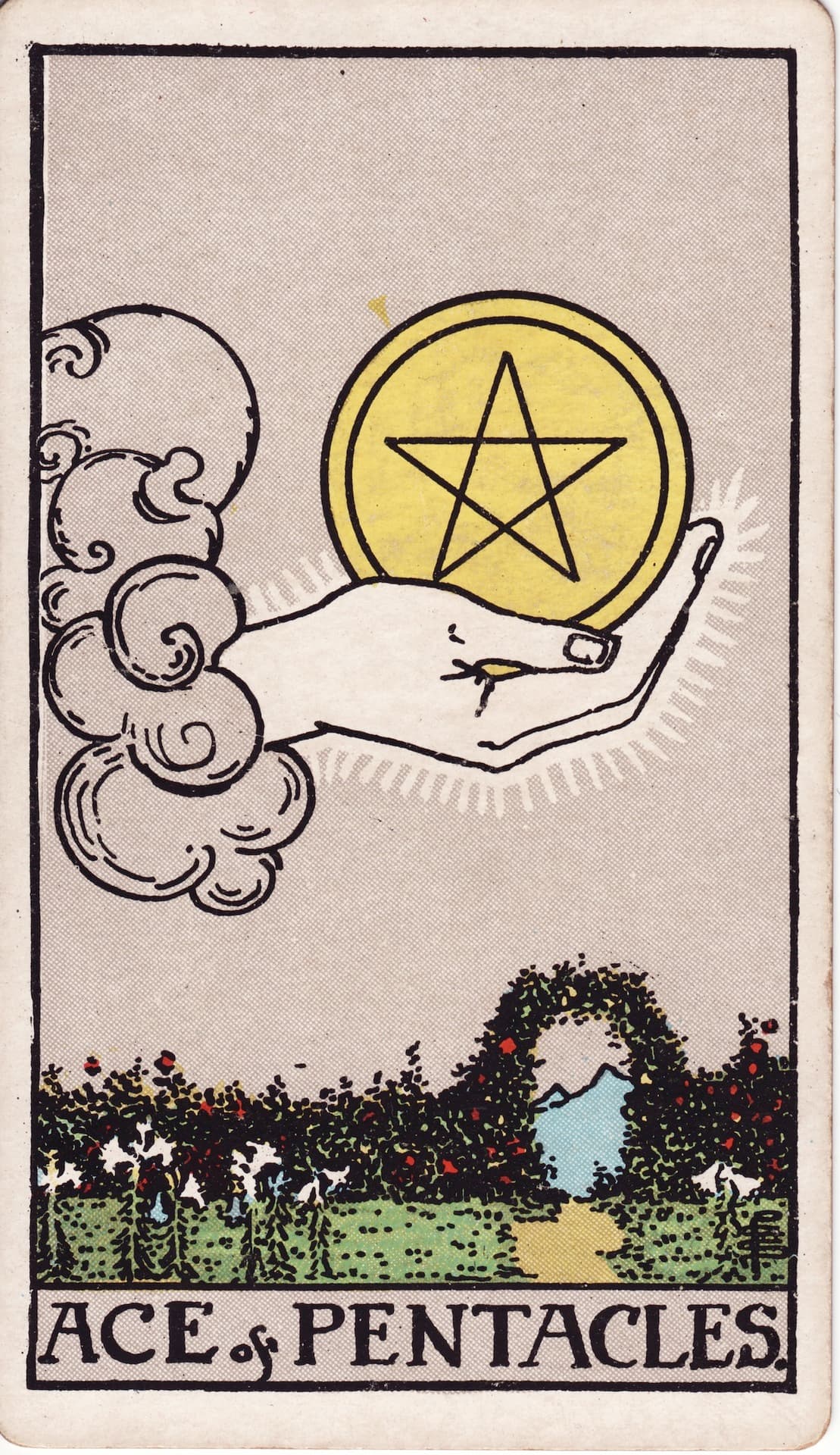
Example: “Should I take on this new client?” You draw the Ace of Pentacles upright, the Seven of Swords reversed and the Six of Wands upright. Two uprights against one reversal is a yes. The Ace of Pentacles is a solid, well-paid opportunity, and the Six of Wands is the rider crowned with laurel, meaning recognition. The reversed Seven of Swords says something hidden will come to light, so this yes reads as: take it, but read the contract twice.
There is also the traditional ace method. Deal cards face up into three piles, stopping a pile as soon as an ace appears or when it reaches thirteen cards. Upright aces mean yes, reversed aces mean no, a mix means maybe, and no aces at all means the answer hasn't formed yet.
The Minor Arcana: how each suit leans
Each suit has a temperament that comes from its element in the Golden Dawn system. That gives you a solid baseline before you weigh each card on its own.
- Wands (Fire): lean yes, and quickly. Exceptions: the Five (conflict, maybe), the Seven (yes, but you will have to defend it), the Ten (yes, though the load may crush you).
- Cups (Water): yes in matters of feeling and relationships. Exceptions: the Five and the Eight are no (loss, walking away), the Four and the Seven are maybe (apathy, illusions).
- Swords (Air): lean no, or toward conflict. The Three, Five, Eight, Nine and Ten are clear noes. The Ace is yes through clarity, the Six is yes through leaving a hard situation behind, and the Two is the classic maybe.
- Pentacles (Earth): yes, but at the pace of earth: slow and concrete. The Five is no (lack, being shut out), the Four is maybe (clinging to what you have), the Seven asks you to wait for the harvest.
- Aces: the strongest yes in every suit, since each ace is the pure seed of its element. Even the Ace of Swords.
- Court cards: more often tell you who than whether. A Page is a small or early yes, a Knight is a fast yes (except the Knight of Pentacles, whose horse stands still), and a Queen or King is a yes if you act the way they would.
How to phrase a yes or no question
A closed question needs a single variable. “Should I accept the offer in Leeds?” works. “Should I accept the Leeds offer or wait for something better?” is a choice between two paths, and three cards handle it better. For more on building questions, see how to ask tarot a question.
- Ask in the positive, not the negative. “Is this a good time to talk?” rather than “isn't it too early to talk?”, because a negative makes it easy to flip the card's meaning.
- Add a time frame: “this week”, “before the end of the year”. A no card often means “not now”, and a horizon helps you tell the difference.
- Ask about an action that is yours to take: “should I send this CV?” gives a cleaner answer than “will anyone call?”.
- One question, one draw. Asking the same thing until you get a yes tells you something about the asker, and nothing about the situation.
When maybe is the honest answer
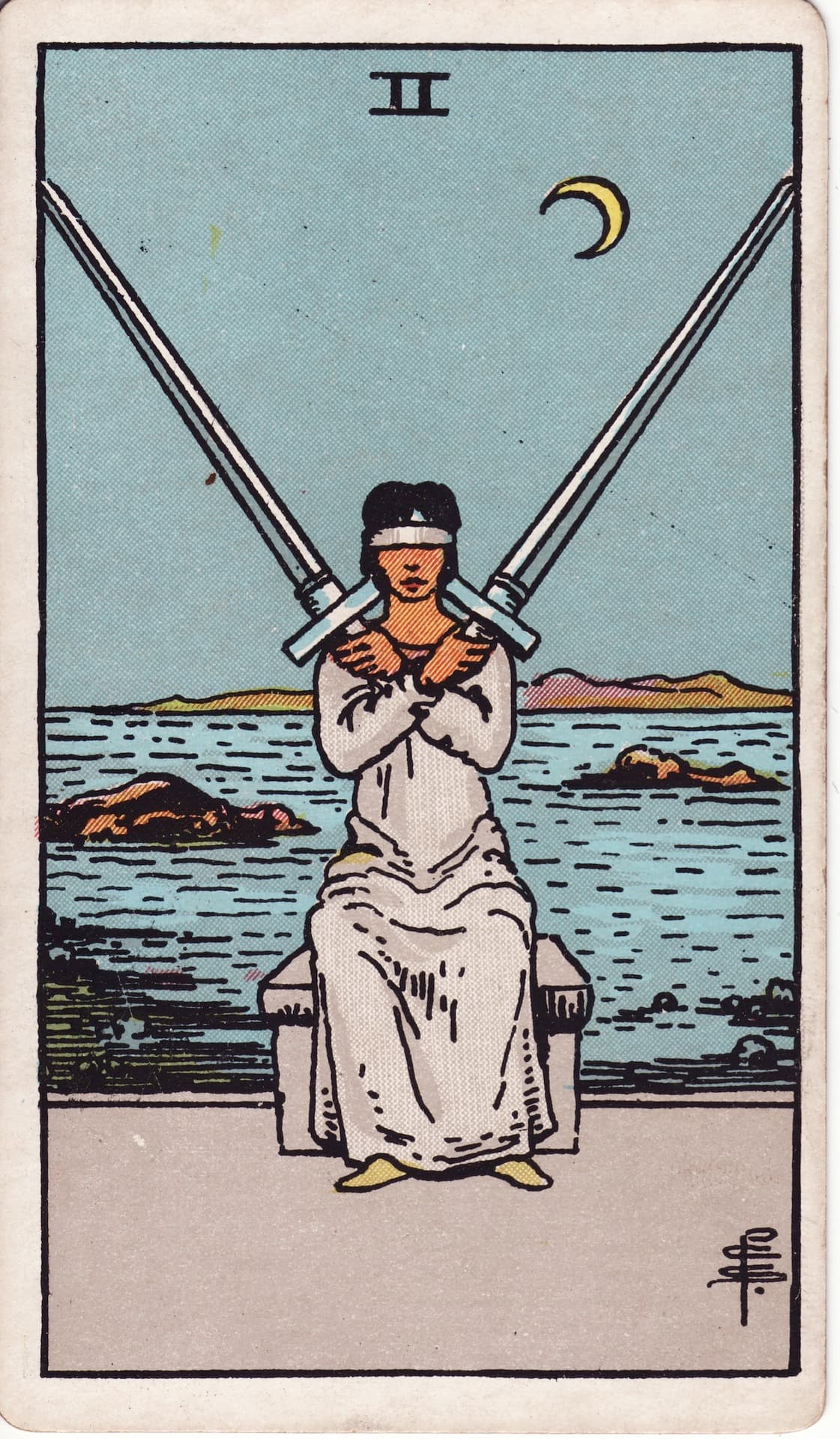
The High Priestess, the Moon, the Hanged Man, Justice, the Two of Swords, the Seven of Cups. These cards aren't dodging the question; they are telling you the truth about it. The situation hasn't ripened, information is missing, or the outcome depends on what you do. The Hanged Man hangs calmly with a halo around his head, because the suspension is a lesson here, not a punishment. The Moon leads down a path between two towers whose end disappears into the dark.
Pulling more cards to force a verdict out of a maybe usually ends in mixed signals. There are three better options. Ask an open question on the same topic, such as “what don't I know about this?”. Draw one clarifier for the card already on the table. Or return to the question after a full lunar cycle, once things have moved.
Sample yes or no readings
A few short examples of how the verdict and the reasoning fit together.
- “Should I apply for this role this week?” The Chariot. A yes with momentum: the charioteer holds no reins and steers the sphinxes by will alone. Send it now, not next month.
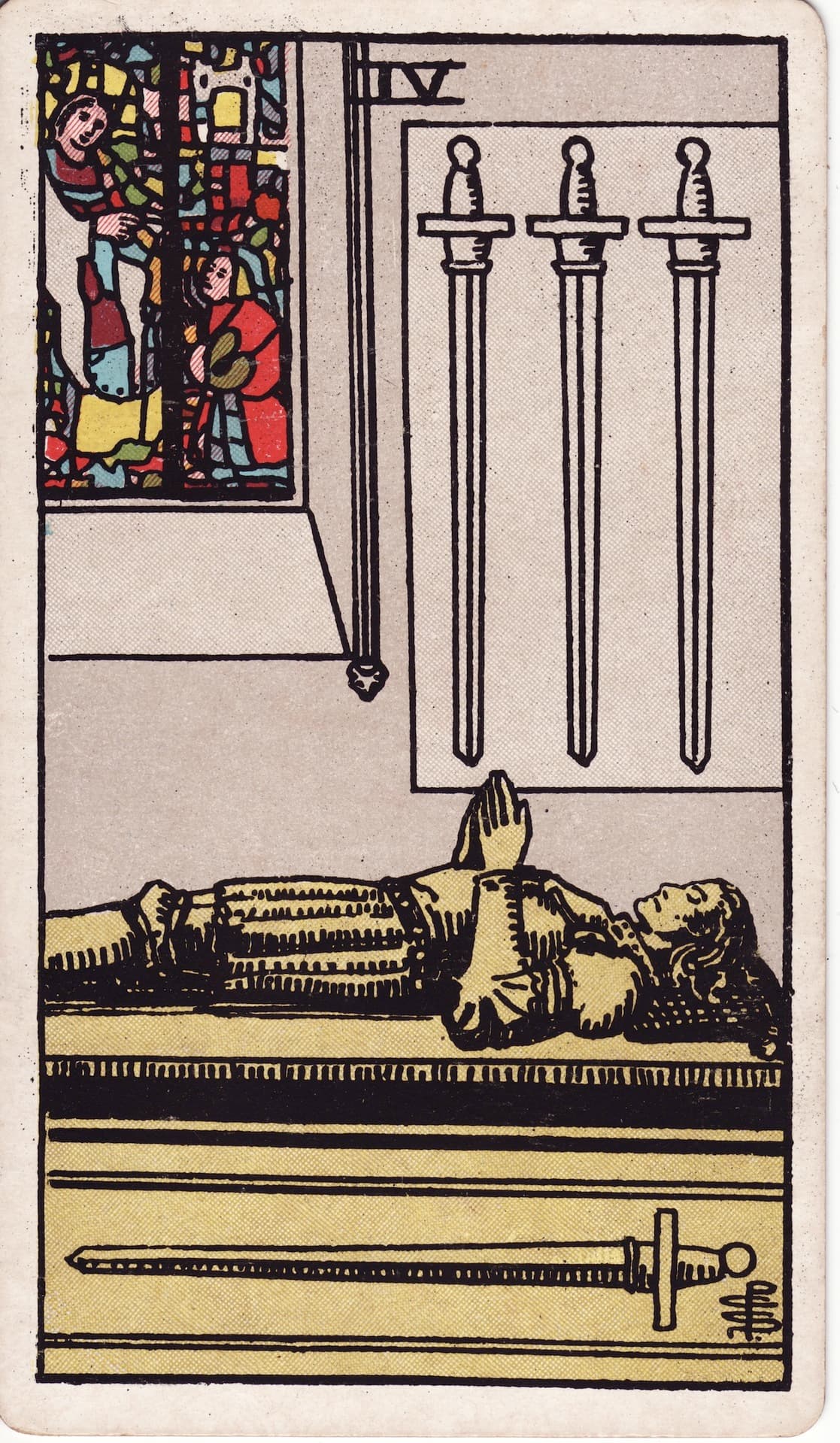
- “Should I text her before the weekend?” The Four of Swords. A knight lies on a tomb with his hands joined in prayer and three swords hanging above him. Not now. Give it a few quiet days.
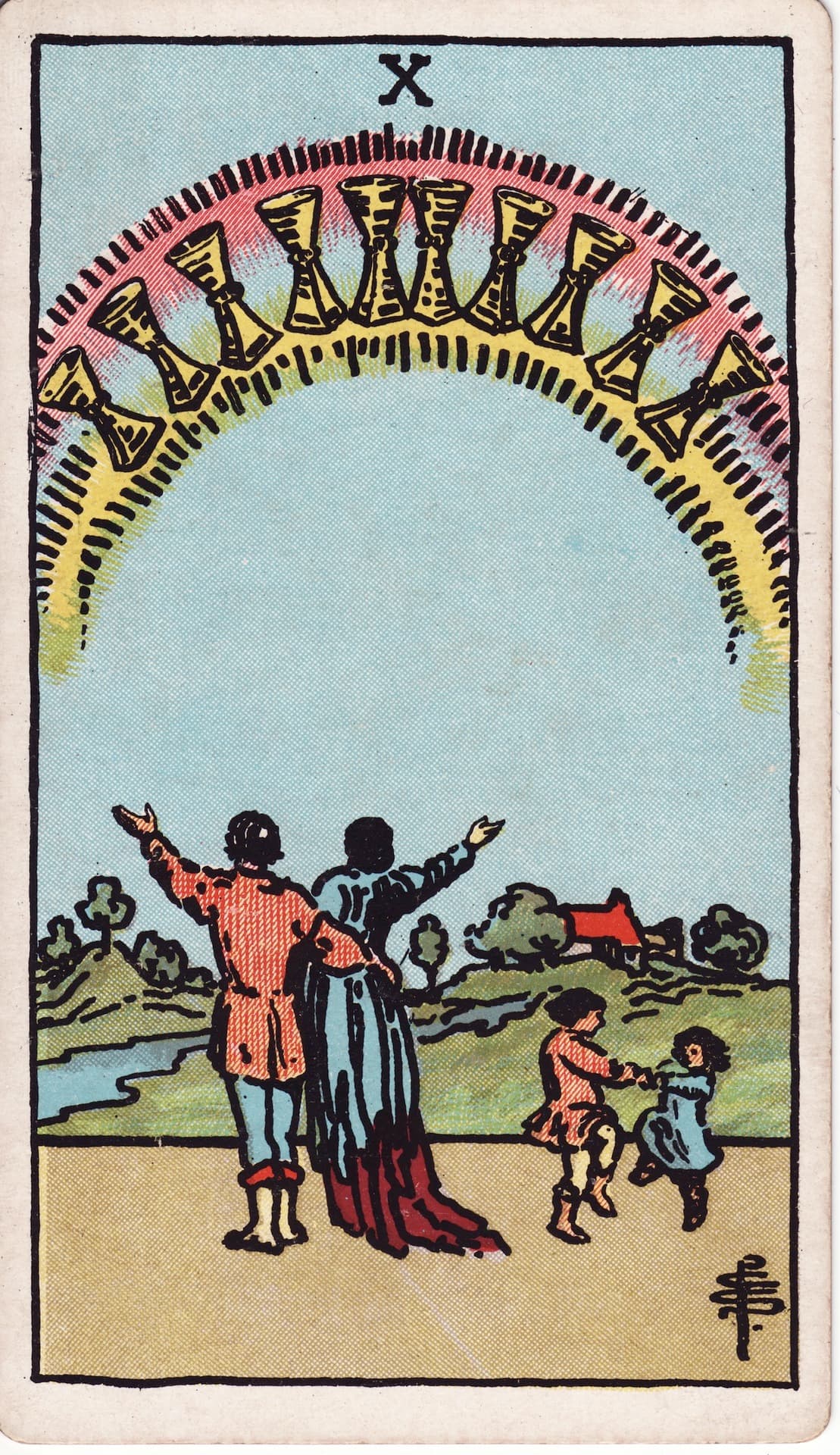
- “Is hosting the holidays at my parents' place a good idea?” The Ten of Cups. A family beneath a rainbow of ten cups, children dancing. A full, warm yes.
- “Should I sign the lease on this flat?” The Moon. Maybe, with a clear hint: something hasn't been said. Check the terms before you sign.
Frequently asked questions
Which tarot cards mean yes?
The strongest yes cards are the Sun, the World, the Star, the Lovers, the Chariot, the Magician and the Empress, plus every ace, the Ten of Cups and the Nine of Cups among the Minor Arcana. The Fool, the Emperor, the Hierophant, Strength, Wheel of Fortune, Temperance and Judgement also answer yes, usually with a condition attached.
Which tarot card is the strongest no?
The Tower is the firmest no in the deck. Close behind are the Ten of Swords, the Three of Swords, the Devil, Death and the Fives of Cups and Pentacles. The Hermit more often means “not now” than “never”.
Does a reversed tarot card mean no?
In the orientation-counting method, yes: upright means yes and reversed means no. In a one-card reading many readers treat a reversal as a weakened, delayed or blocked yes, depending on the card. Pick one rule before you shuffle and stick with it.
What does a court card mean in a yes or no reading?
Court cards often point to a person or an attitude the answer depends on. A Page is usually an early yes, a Knight a fast yes, and a Queen or King a yes if you adopt their way of handling things. You can also draw a clarifier from the Major Arcana or the numbered cards.
Can you ask the same yes or no question more than once?
Traditionally the first card is the answer and redraws only muddy the picture. If you get a maybe, ask an open question on the same topic or come back when the situation has changed. A new question is a new draw; a repeated question is noise.
Personal reading
One question, one clear answer
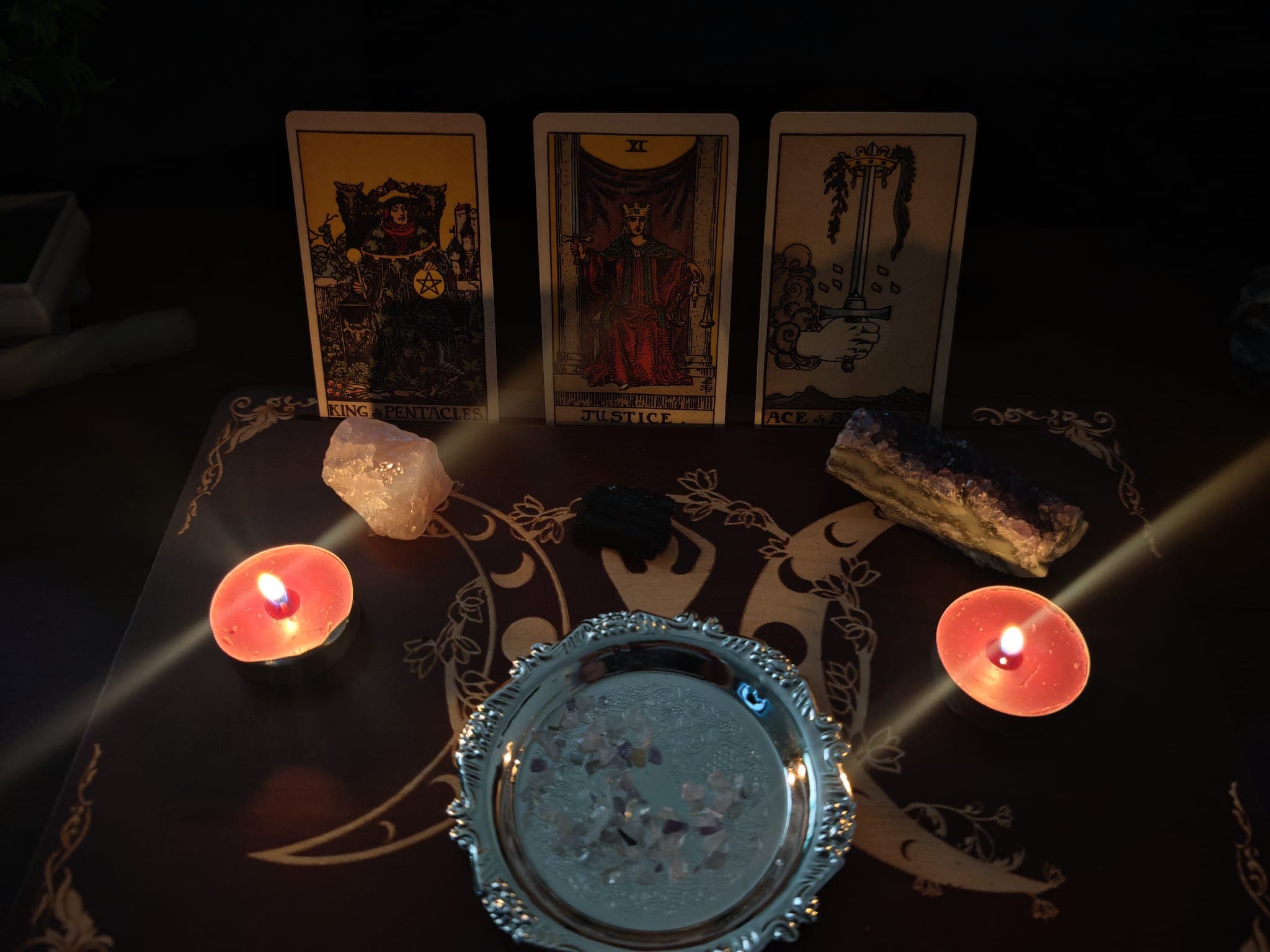
The Yes / No Reading costs 9 EUR and gives you a verdict with its reasoning: a card drawn from a physical Rider-Waite-Smith deck, a photo of the real spread and a written interpretation on a private link that tells you not only yes or no, but why and on what condition.
Order a Yes / No Reading →