The question is the lens of the spread
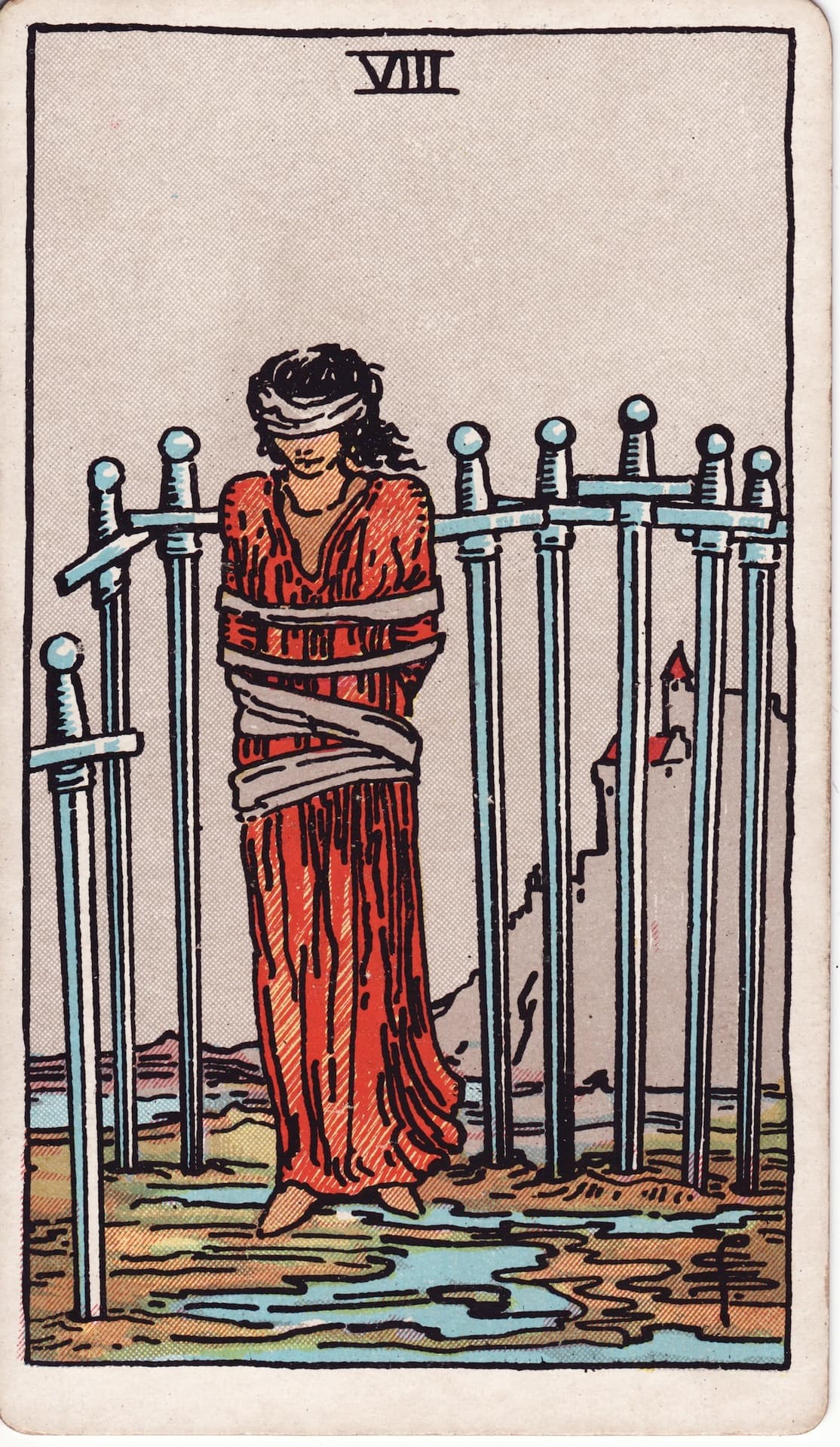
Every card carries a whole field of meaning, and the question is what selects the part that belongs to you. The Eight of Swords in a work question often describes a setup where someone else makes the rules and you feel boxed in. In a relationship question the same card points to beliefs that tie your hands: the blindfolded woman stands among swords that never form a closed cage, and the water at her feet is shallow. There is a way out, she just cannot see it yet.
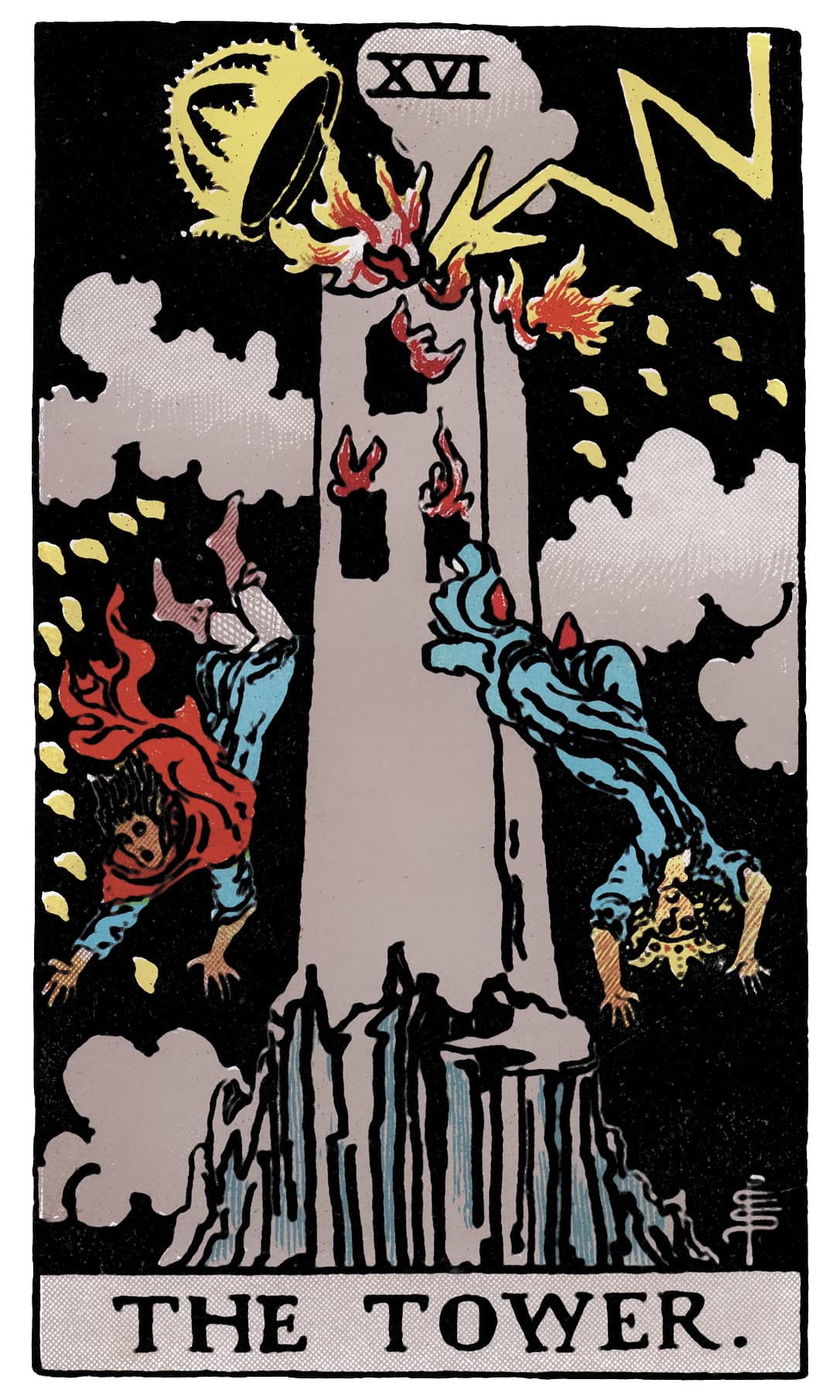
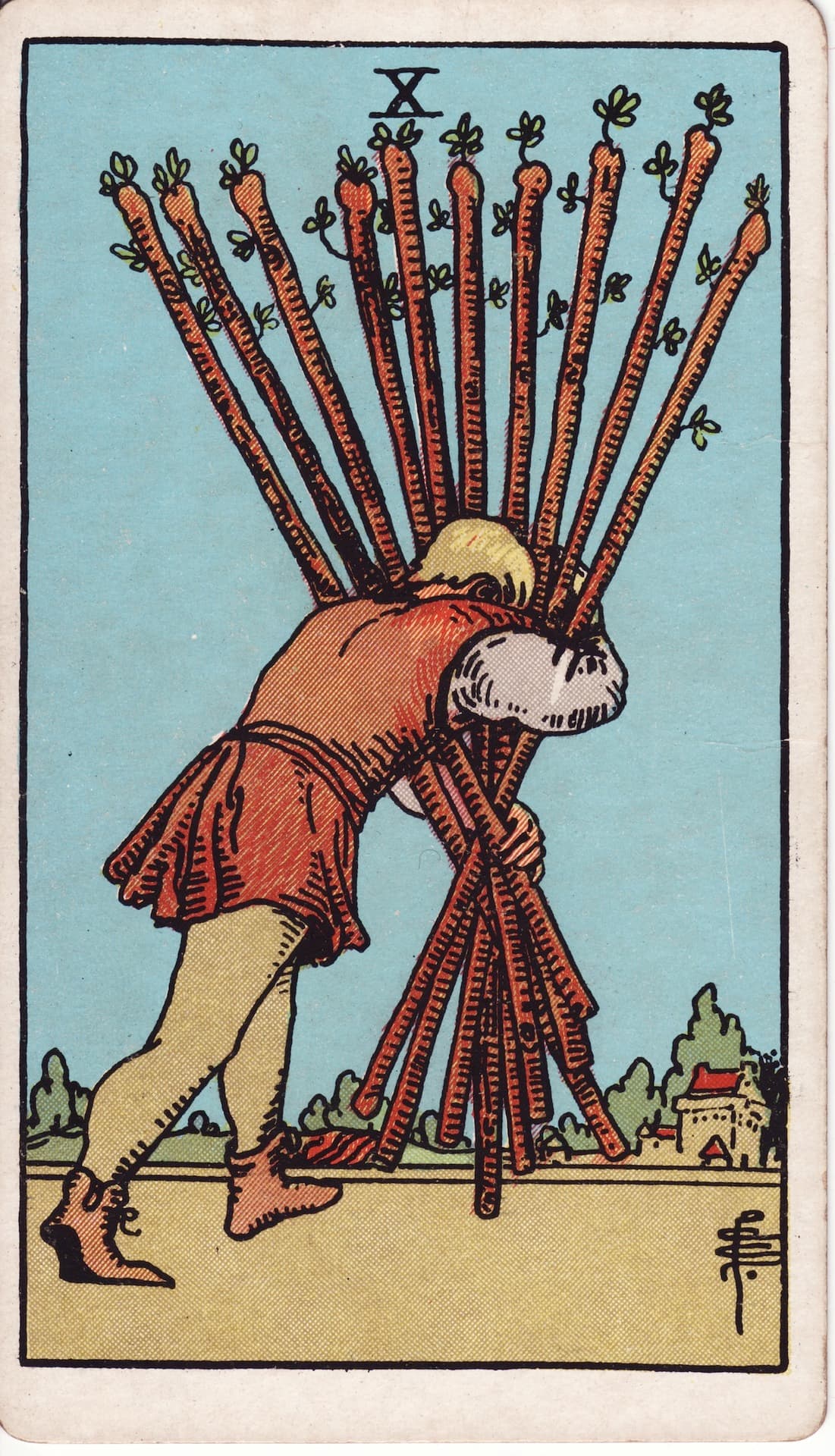
That is why a vague question gets a vague reading. Ask about “my life” and the reader has to guess which area the Tower or the Ten of Wands belongs to. Ask about one concrete situation and each card falls into its position, so the spread reads like a story.
Put yourself at the centre of the question
The strongest questions are the ones where you are the subject: what can I do, what do I need, what is in my hands. The answer then gives you something to work with. “Will he come back?” leaves you in a waiting room. “What can I do to give this relationship a chance, and do I actually want to?” gives you direction and checks your own intention too.
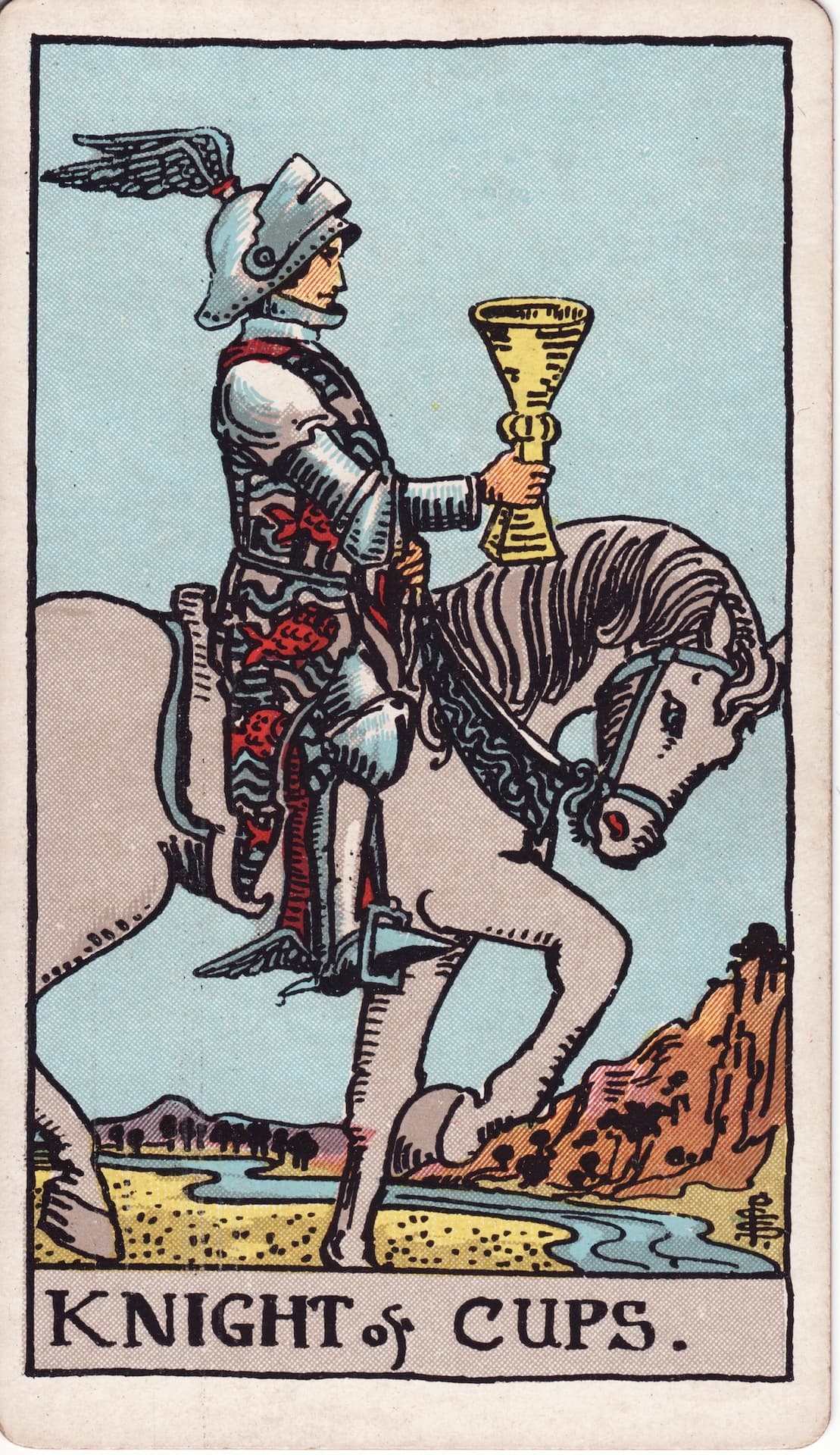
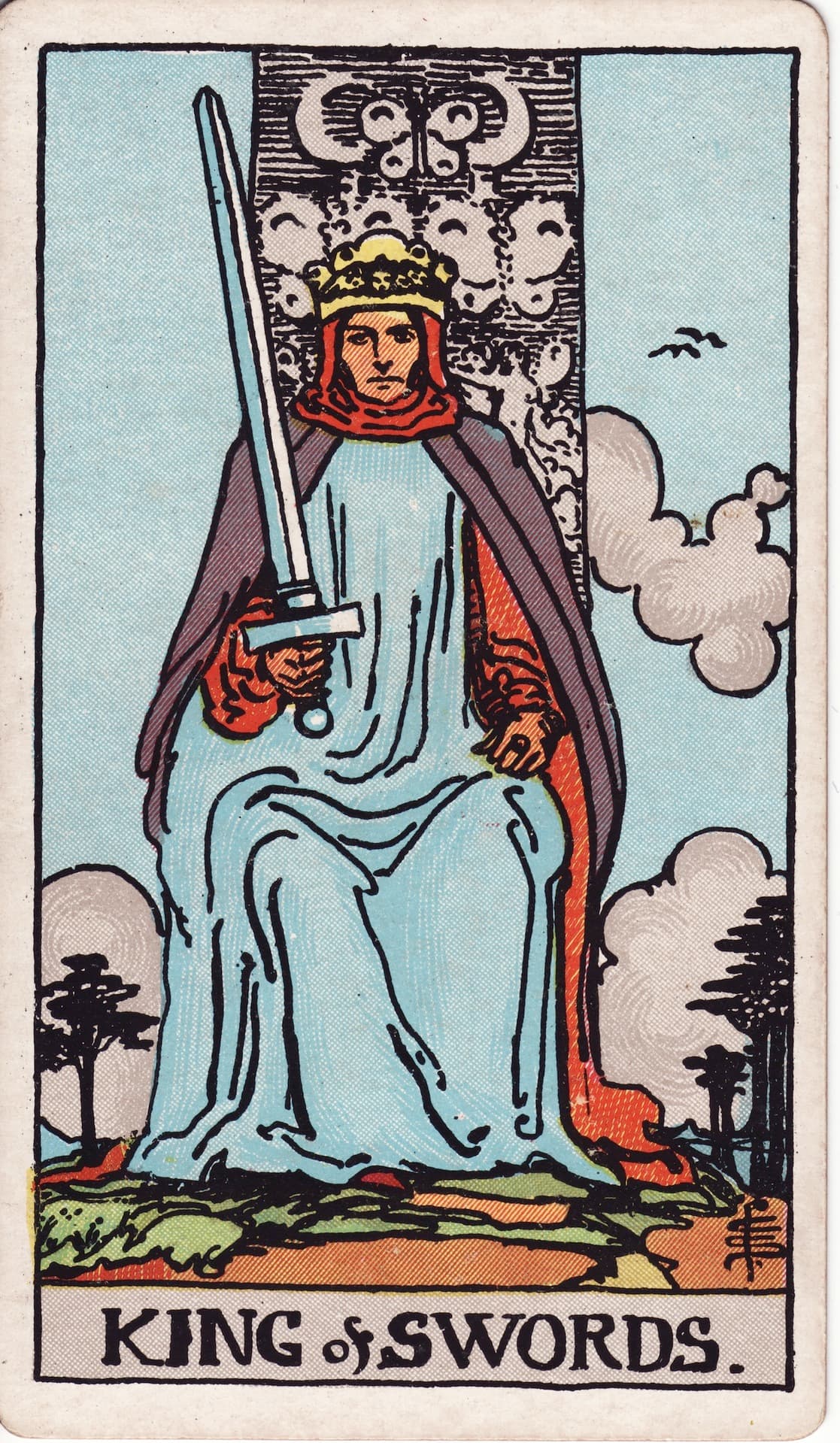
You can absolutely ask about another person. Tarot is good at showing the energy someone brings into a connection, and court cards often paint it outright: the Knight of Cups rides in holding his cup out like an offering, the King of Swords arrives with cool judgment and distance. These questions work best when they are tied to your situation, so “what energy is this person bringing to our connection right now?” rather than “what are they doing when I'm not around?”.
Narrow the topic and give it a time frame
A good question covers one situation and one horizon. The horizon helps more than people expect. “How will things develop at work over the next three months?” lets the reader treat the Wheel of Fortune as a turn that happens inside that window, and the Four of Swords as a pause that fits within it. Without a time frame, the same cards just hang in the air.
“What about my finances?” covers salary, debt, savings and the dream of going freelance all at once. Pick one and the spread stops spilling everywhere.
- Instead of “what about my job?”: “what will help me land the promotion I've been going for since spring?”
- Instead of “what about my love life?”: “what do I need to open up to a new relationship this year?”
- Instead of “what's coming for me?”: “what should I watch for over the next month regarding the move?”
Swap “will” and “should” for “what” and “how”
A closed question has two exits and turns a single card into the judge. An open question lets the spread show causes, obstacles and resources, which is what you actually need to decide. Often changing the first word is enough.
- “Will I get this job?” becomes “what would improve my chances in this hiring process?”
- “Does he love me?” becomes “how does this person feel about me at this stage, and what does our connection need?”
- “Should I move?” becomes “what would I gain, and what would I leave behind, if I moved this year?”
One question per spread, and a few lines of context
One spread, one question. When three issues are packed into one sentence, the cards get split between them and none gets a full answer. Readers say the first spread is the answer and every redraw muddies the water. If something stays unclear, ask about that specific part. The 3-Card Reading and the Love Clarity Reading both include one free follow-up question within 48 hours of your interpretation.
In an online reading the reader cannot see your face, so a few lines of context make a big difference. Skip your life story, and don't hint at the answer you are hoping for: a line like “it's obvious he still has feelings, right?” reveals the expectation and adds nothing but noise. What helps is whatever pins the cards to real life:
- The situation in two or three sentences: what is happening and since when.
- Your options named plainly if you are choosing: “the Manchester offer” and “staying where I am”, not “option A and B”.
- The time frame you care about.
- What you will do with the answer: make a decision, have a conversation, let it go.
Example tarot questions about love and relationships
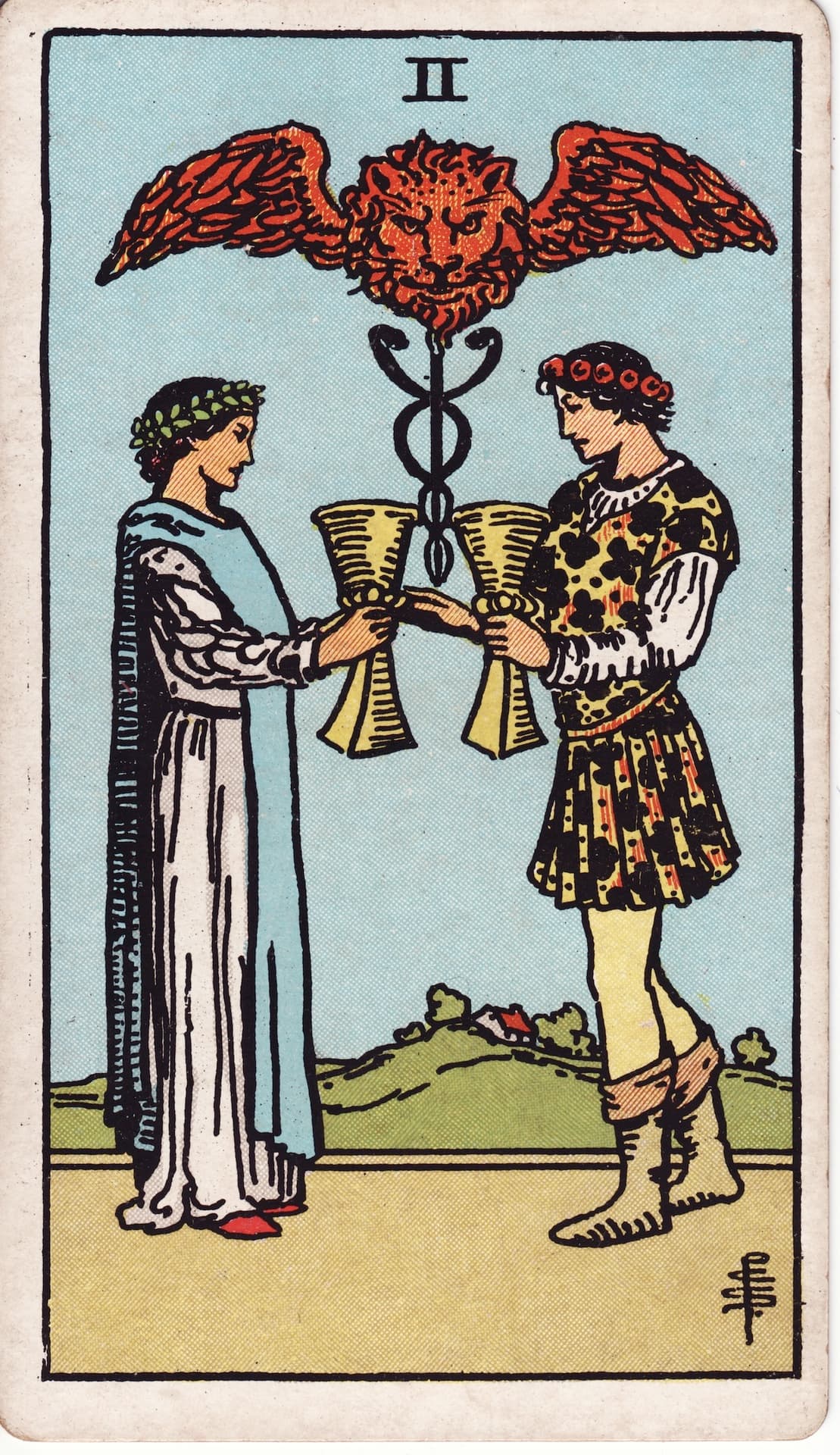
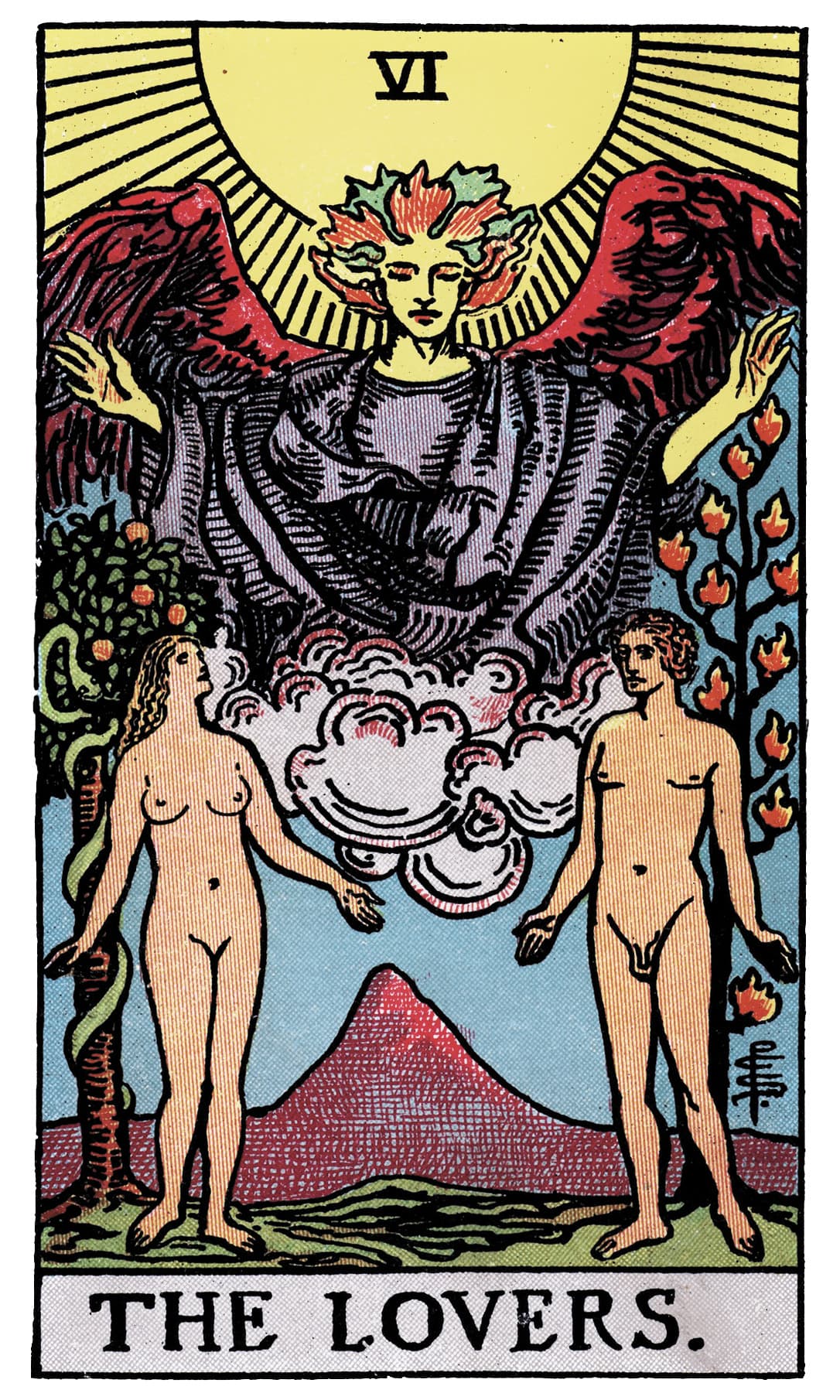
With love questions, the most useful distinction is whether you are asking about what is, or about what you can do. Both are fine, just don't mix them in one sentence. With an ex, ask what a reunion would mean rather than simply whether it will happen.
- What is really going on between me and this person right now?
- What energy is this person bringing to our connection at the moment?
- What is blocking communication since our last argument, and what can I do about it?
- What do I need in order to feel safe in this relationship?
- Which pattern do I keep repeating in relationships, and where does it come from?
- What did this relationship teach me, and is there anything left to build?
- What will help me open up to new love in the coming months?
Example questions about work and money
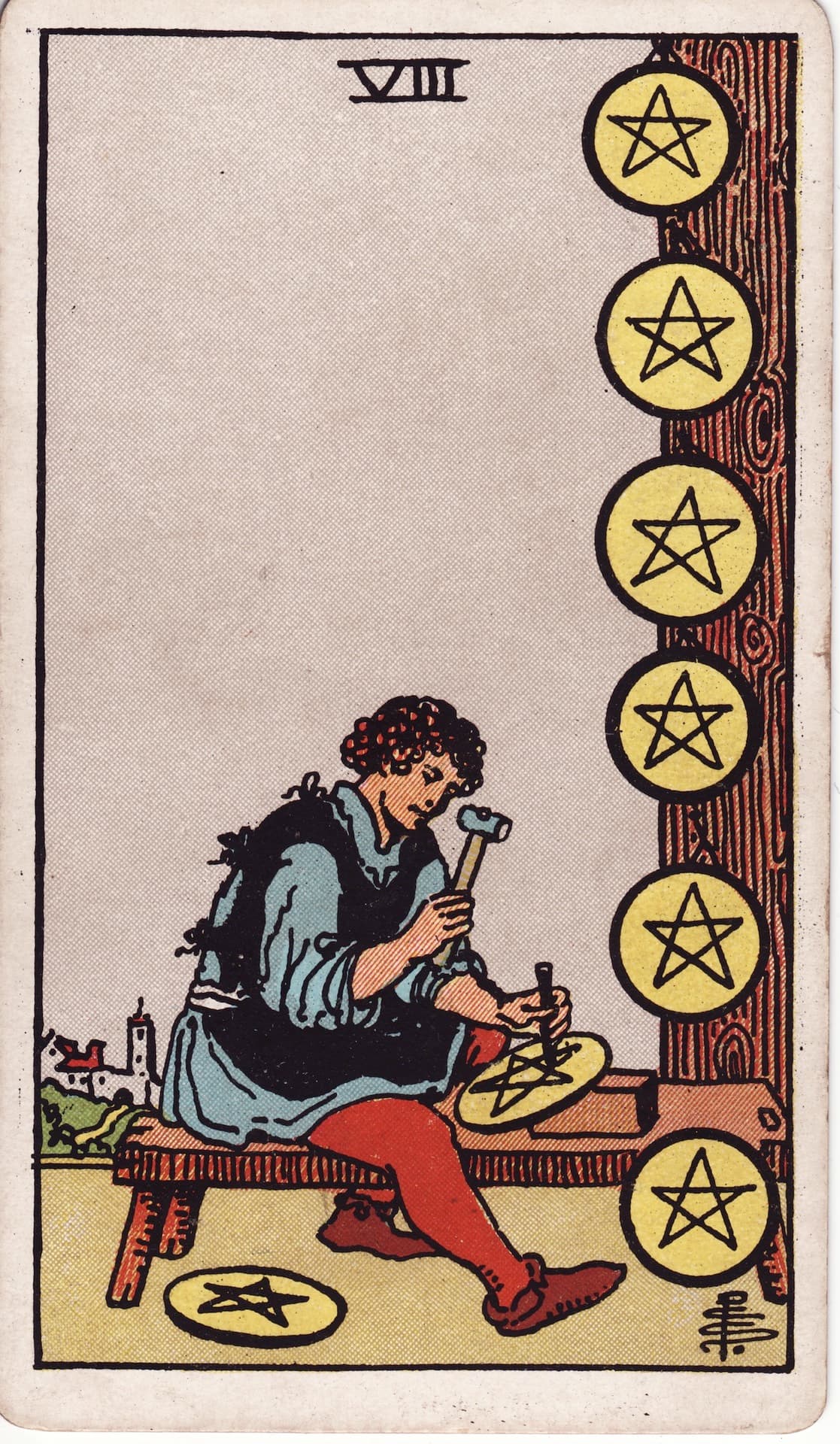
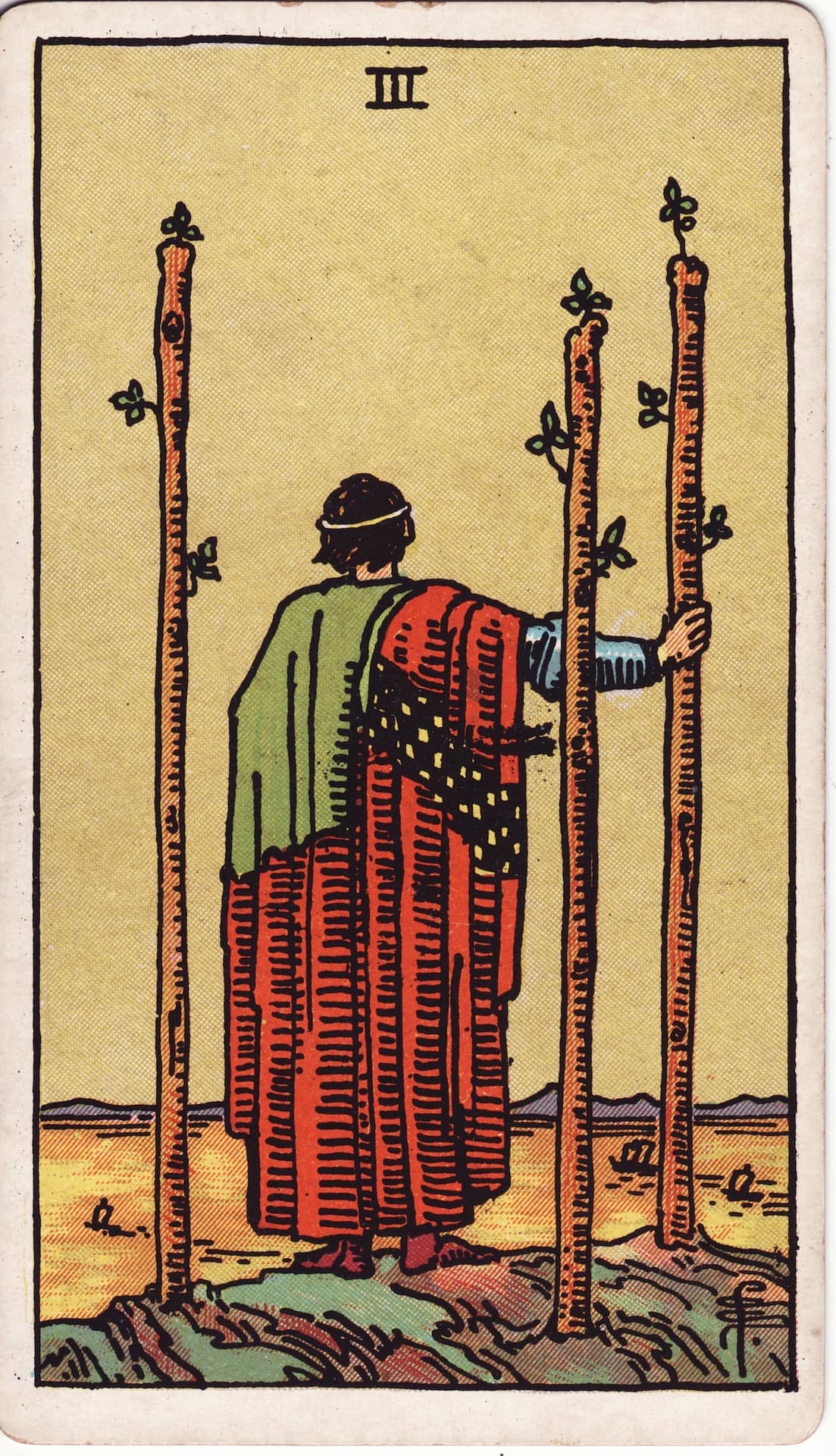
Questions about obstacles and resources shine here. Pentacles show the practical side and the pace, Wands show drive and ambition, Swords show what is going on in your head before you move. With money, name the goal: a figure, an emergency fund, paying off one particular debt.
- What is holding back my growth at my current company?
- What stands between me and the raise I want to ask for this quarter?
- What energy am I bringing into this new project, and what is it missing?
- How can I use the next six months to build real savings?
- What do I need to know before I sign this contract?
- What potential does my side business idea have?
Example questions for hard decisions
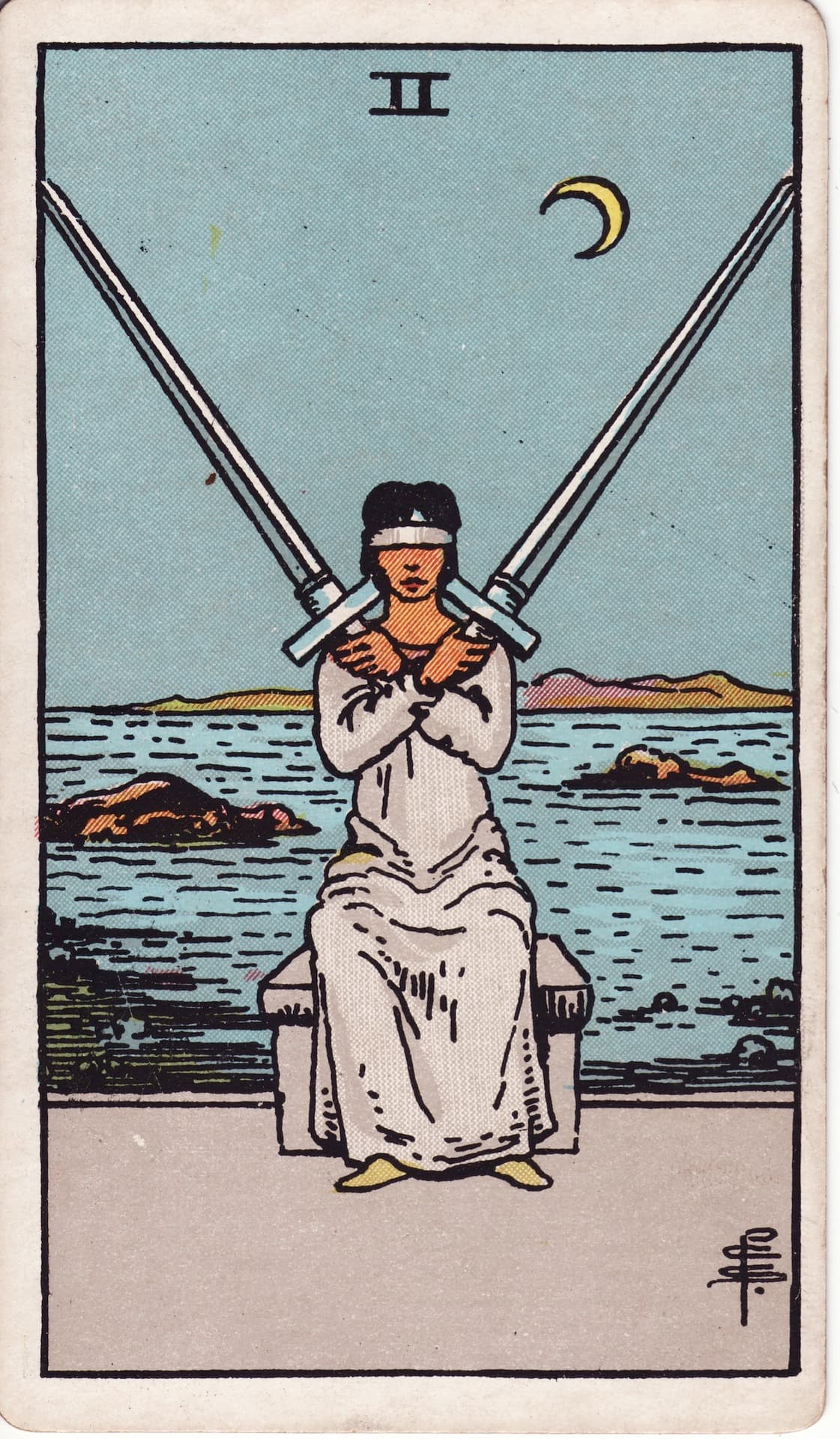
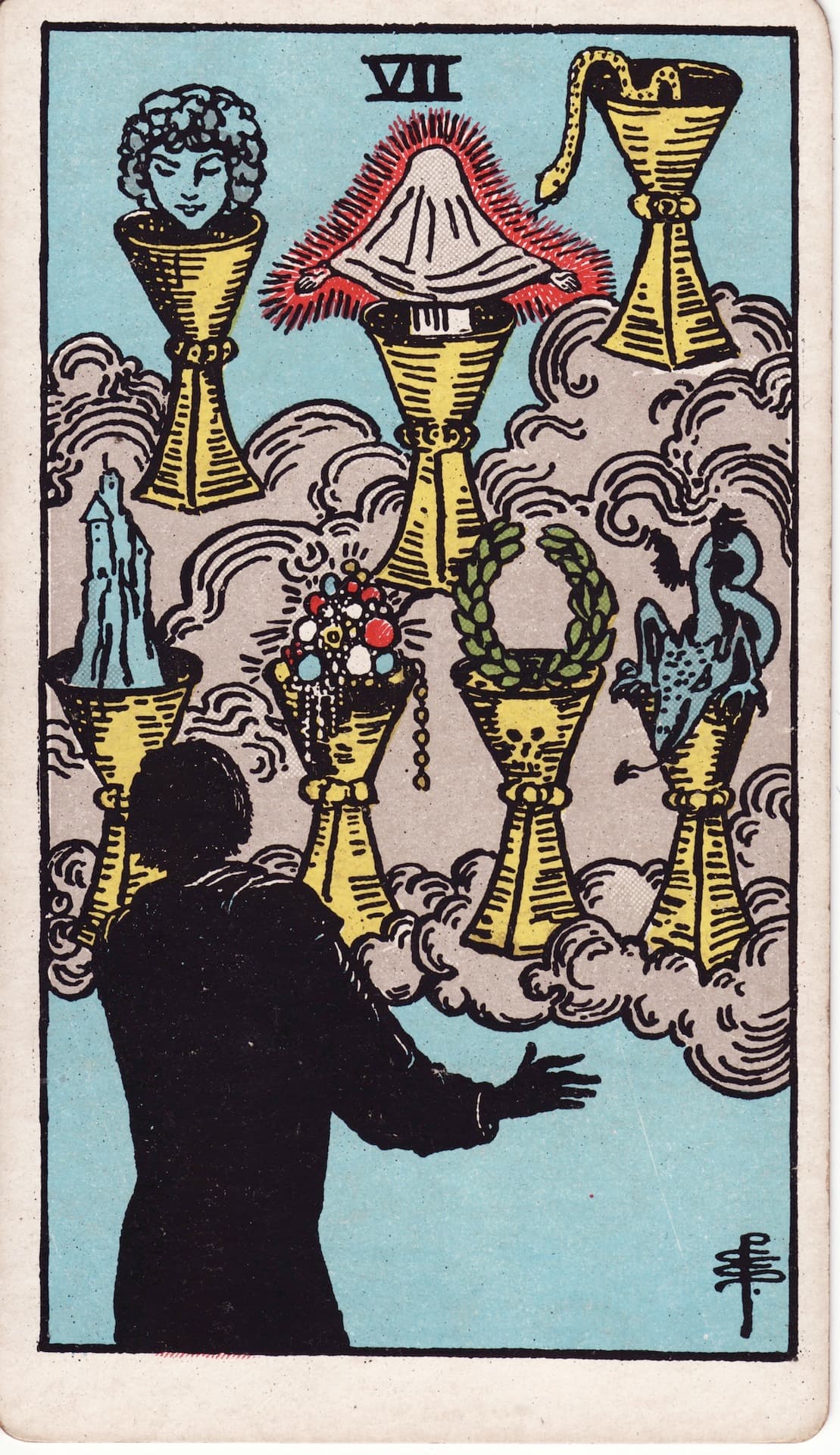
When choosing, name both paths and ask about each one separately. A three-card spread can then be laid as “path one, path two, advice”. For layered situations where the past, your fears and other people's influence all tangle together, the Celtic Cross gives you more room.
- What would taking the offer in another city bring me, and what would staying bring?
- What am I not seeing about this decision?
- What would I gain and what would I lose if I moved before the end of the year?
- What first step brings me closer to the right choice?
- What is stopping me from making the decision I already know deep down?
Example questions for spiritual growth
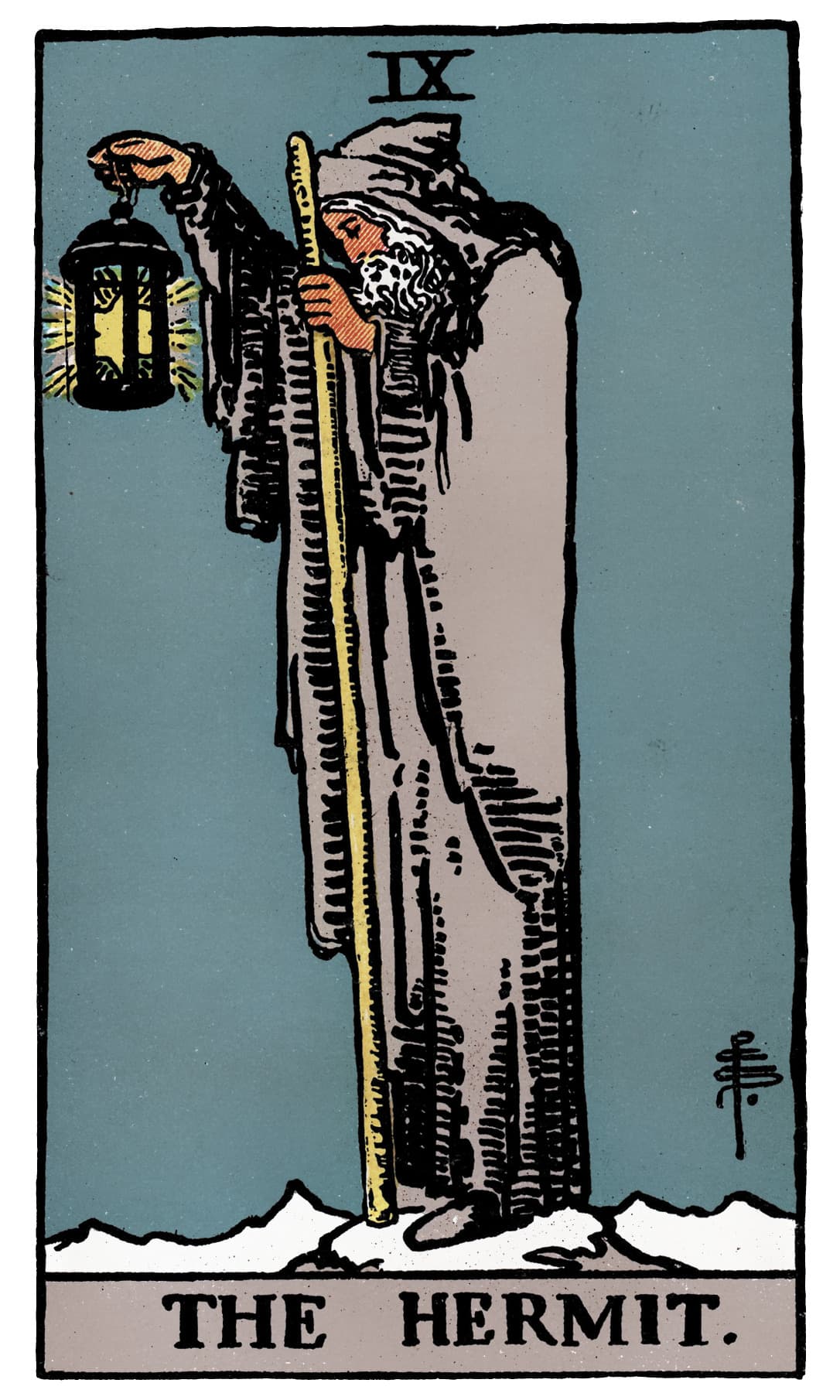
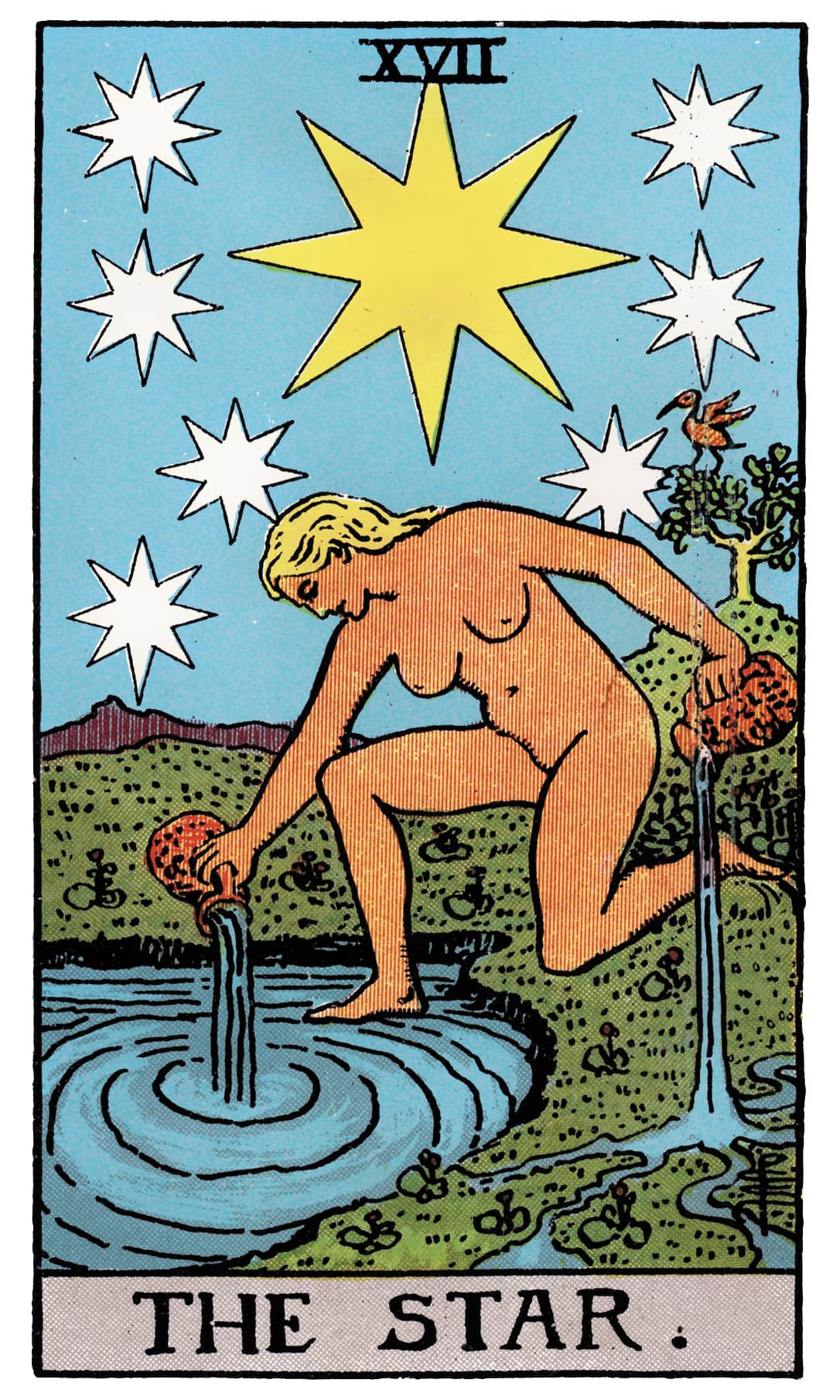
Here tarot works as a mirror, so questions can be broader because they are about you rather than an outside situation. They pair nicely with the lunar cycle: ask what to release under a waning moon, and what to plant at the new moon.
- What should my practice focus on during this lunar cycle?
- What is the lesson in my current difficult situation?
- Which part of myself am I neglecting, and how can I tend to it?
- What will help me trust my intuition more?
- What is ready to leave my life?
- What gift do I carry that I am not fully using?
Yes or no questions, and choosing a reading format
Closed questions have their place. When you have thought something through and just want one clear signal, a short yes or no question works beautifully, as long as it is unambiguous and about one thing. “Should I go to the interview on Thursday?” is good. “Should I go to the interview and then switch careers?” is two questions with two different answers. For how to read the cards in that case, see the guide to yes or no tarot card meanings.
The format follows the question. A single yes or no fits the Yes / No Reading. A choice between two paths, or a question about why something is happening, sits well in three cards. A matter of the heart where both people count is a job for the Love Clarity Reading.
- Is it worth sending this application this week?
- Is this person open to talking with me in the next month?
- Will a trip in November do me good?
- Is this a good time to suggest moving in together?
- Should I accept the invitation to this meeting?
Frequently asked questions
How do you ask tarot a question?
Ask one question about one situation, ideally open-ended, starting with “what” or “how”, and add a time frame. Keep yourself at the centre by asking what you can do or what you need. While shuffling, hold the question in your mind or say it out loud.
Can you ask tarot about another person?
Yes. The cards show another person's energy and attitude well, especially through the court cards. The clearest answers come from questions that link that person to your situation, such as “what energy is this person bringing to our connection?”.
How many times can you ask tarot the same question?
Traditionally the first spread is taken as the answer. Redrawing the same question usually brings contradictory cards and blurs the picture. If something is unclear, ask a clarifying question, or come back when the situation has changed, for example after a full lunar cycle.
What questions get the weakest tarot answers?
Questions that bundle several issues together, questions with no frame at all (“what's coming for me?”), and questions that already contain the answer you want. Narrowing the topic and naming your options usually brings the reading into focus.
Do you have to ask a tarot question out loud?
No. Some readers say the question aloud or write it on a slip of paper under the deck, others hold it silently while shuffling. In an online reading, the question you type into the form plays the same role: the spread is laid around it.
Personal reading
Got your question ready?
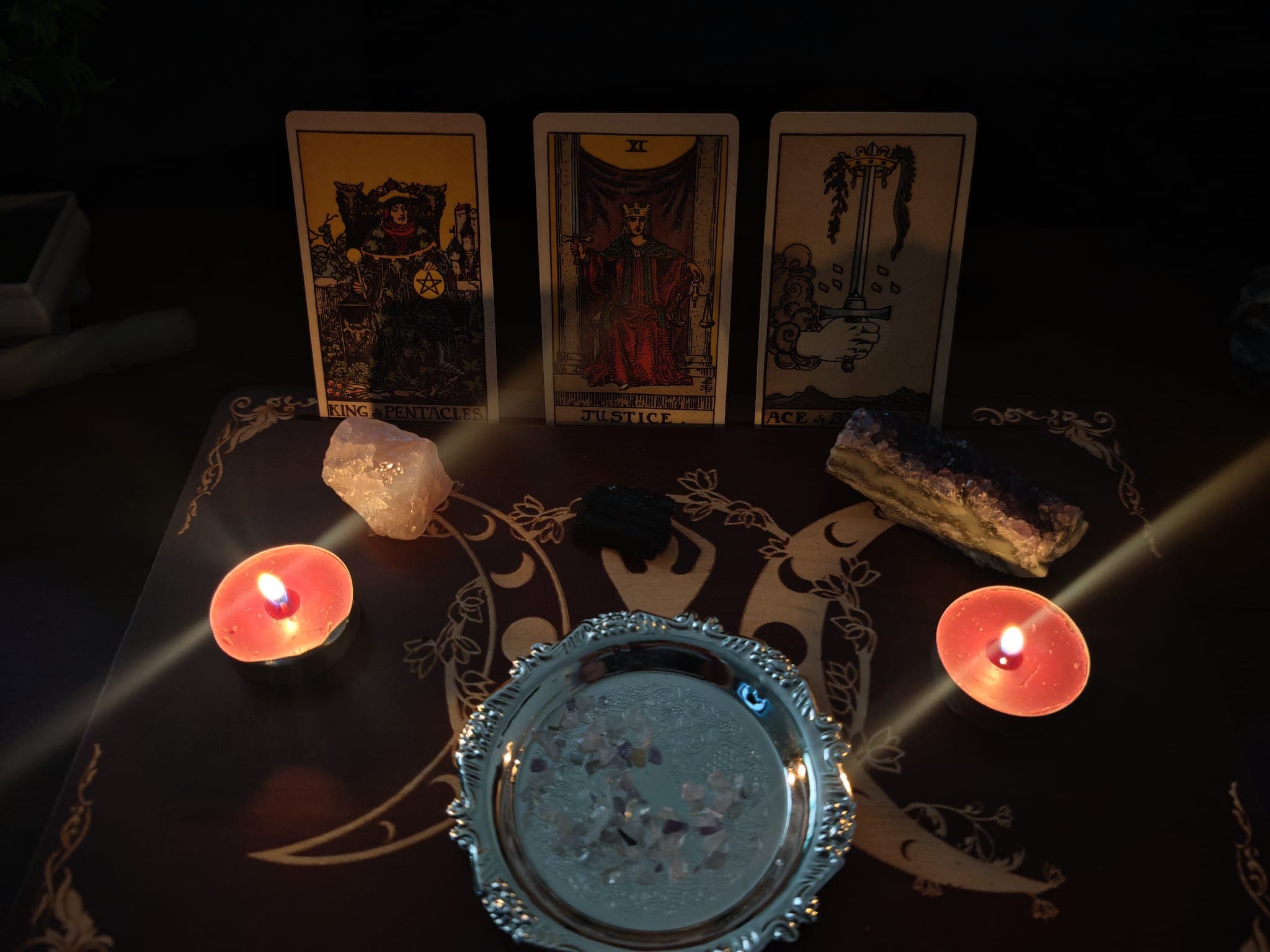
Type it into the order form with a few lines of context. The cards are laid on a physical Rider-Waite-Smith deck, and you receive a photo of the real spread plus a written interpretation on a private link. The 3-Card Reading costs 22 EUR and includes one free follow-up question within 48 hours.
Order a 3-Card Reading →