Why a dream dictionary is only the starting point
Every dream symbol has two layers. The first is shared: what snakes, water or houses have meant for centuries in myth, folklore and tarot. That is the layer a dictionary gives you. The second is personal: what that image means to you, which smell, place or person it is tied to. A dream always braids both together, and a dictionary only knows the first.
Jung noticed that dreams often supply what is missing in waking life. The person who plays strong all day turns up defenceless at night. The one who swallows every feeling dreams of explosions. So with any dream, ask not only “what does this mean?” but also “what is this dream adding to my life?”
A method for interpreting a dream, step by step
This is the order many dreamworkers follow. It takes ten minutes and gives you more than an hour with a dictionary.
- Write it down before you get up. Half the detail fades within minutes of waking. Stay still, recall the last image and work backwards to the beginning.
- Name the feeling. The same image lived in fear and lived in wonder are two different dreams. The emotion is the key to everything else.
- Subtract the day's residue. What from yesterday leaked in? A film, a conversation, a smell. Whatever is left once you take that away is the real message.
- Map each symbol on three levels: personal (what it is to me), traditional (folklore, dictionaries) and archetypal (tarot, myth).
- Find the turn. The moment the dream suddenly shifts is its heart.
- Ask one last question: “If this dream were advice, what would it be telling me?” The first answer that arrives is usually the right one.
Keeping a dream journal
A dream journal is the single most useful tool you have. Within a few weeks you start to see your own dictionary: symbols that show up in particular situations, and dreams that turned out to be pointing somewhere.
- Notebook and pen by the bed. Not your phone, as the screen snaps you out of the state between sleep and waking.
- Write in the present tense: “I am walking down a corridor, the doors are locked.” The dream comes back more vividly.
- Give every dream a title. A month later you will find “the house with the blue door” in seconds.
- Note the date, the weekday and the moon phase. Full moon dreams tend to be more vivid, new moon dreams more symbolic. The guide to moon phase rituals goes deeper.
- Keep your own symbol index at the back, with dates.
- At night, tell yourself: “I will remember my dream.” This simple intention works surprisingly well.
Common dream symbols and what they mean
These are the shared meanings. Hold them up against your own feeling and situation and see which part fits.
- Water: the state of your emotions. Clear and calm is clarity, murky is something you would rather not look at, a flood is feeling spilling over its banks. Swimming easily means you are coping, drowning means something is overwhelming you. The sea is the unconscious, the element of Cups.
- Teeth: teeth falling out or crumbling speak of power, self-image and whether you can bite into the world. Sometimes of words left unsaid. Old European folk belief read a tooth falling out with blood as news of a relative, without blood as news of someone further off.
- Falling: losing your footing, a situation slipping out of your control. If you land softly, the dream says you can let go and trust.
- Flying: freedom and seeing things from above. Struggling to fly, tangled in wires and rooftops, shows what is holding you back. Flying is often the doorway to a lucid dream.
- Being chased: something you are running from in waking life. The pursuer is often a rejected part of yourself. Dreamworkers teach you to turn around and ask what it wants.
- Death: almost never literal. The end of a chapter, like the Death card (XIII), where the sun rises between two towers behind the knight on the white horse. Folk tradition says dreaming of someone's death promises them a long life.
- Snakes: transformation, since the snake sheds its skin. Healing, as on the rod of Asclepius. Life force waking up. A bite is an awakening, often an abrupt one. Pay attention to the snake's colour and behaviour.
- House: you. The basement holds old fears and the unconscious, the attic memory and spirit, the bathroom cleansing. Finding a new room means a gift or possibility you have not noticed yet. Your childhood home brings up old patterns.
- Your ex: rarely about them. More often about who you were back then, or a pattern repeating in your current relationship. This dream often turns up when you meet someone new.
- Pregnancy: something in you is growing: a project, an idea, a new version of yourself. Giving birth in a dream is the moment it comes into the world.
- Dead relatives: tradition separates grief dreams from visitation dreams. Visitations are vivid and calm, the person looks well, the message is short, and you wake with a sense of their presence. In Slavic tradition the dead visit more often around All Souls' Day. Write down their words exactly.
Prophetic dreams and recurring dreams
A prophetic dream has a different texture. It is clearer and calmer, you remember it for years, and you wake with an odd sense of weight. It rarely shows the event directly. More often it speaks in symbols: a cracked ring instead of a breakup, packed suitcases in a stranger's house instead of a move. Polish folk tradition says dreams from Thursday to Friday come true, as do dreams near dawn. A dated journal lets you check later what actually happened and learn to recognise that kind of dream in yourself.
A recurring dream is a message that keeps coming back until it is received. Watch the details: when something shifts, say a door opens or the pursuer slows down, something in you has shifted too. For a recurring nightmare, an old practice helps. While awake and calm, write the dream a new ending and read it before sleep for several nights running.
Lucid dreaming basics
A lucid dream is one where you know you are dreaming. For practitioners it is a space to question dream figures, meet guides and face fears. These are the techniques most people start with.
- Reality checks: several times a day, look at your hands, read a line of text twice, or pinch your nose and try to breathe. In dreams your fingers multiply, text changes and you can breathe through a pinched nose.
- Dream signs: your journal will show what repeats in your dreams (school, a particular house, teeth). When you spot one, do a reality check.
- MILD: as you fall asleep, repeat “Next time I am dreaming, I will realise I am dreaming,” and picture your last dream with you becoming aware in it.
- Wake back to bed: set an alarm for about five hours after you fall asleep, stay up for 20 to 30 minutes with your journal, then go back to bed with the intention to become lucid.
- Stabilising: when the dream starts to blur, rub your hands together, touch a wall or spin on the spot.
Pairing a dream with a one-card tarot pull
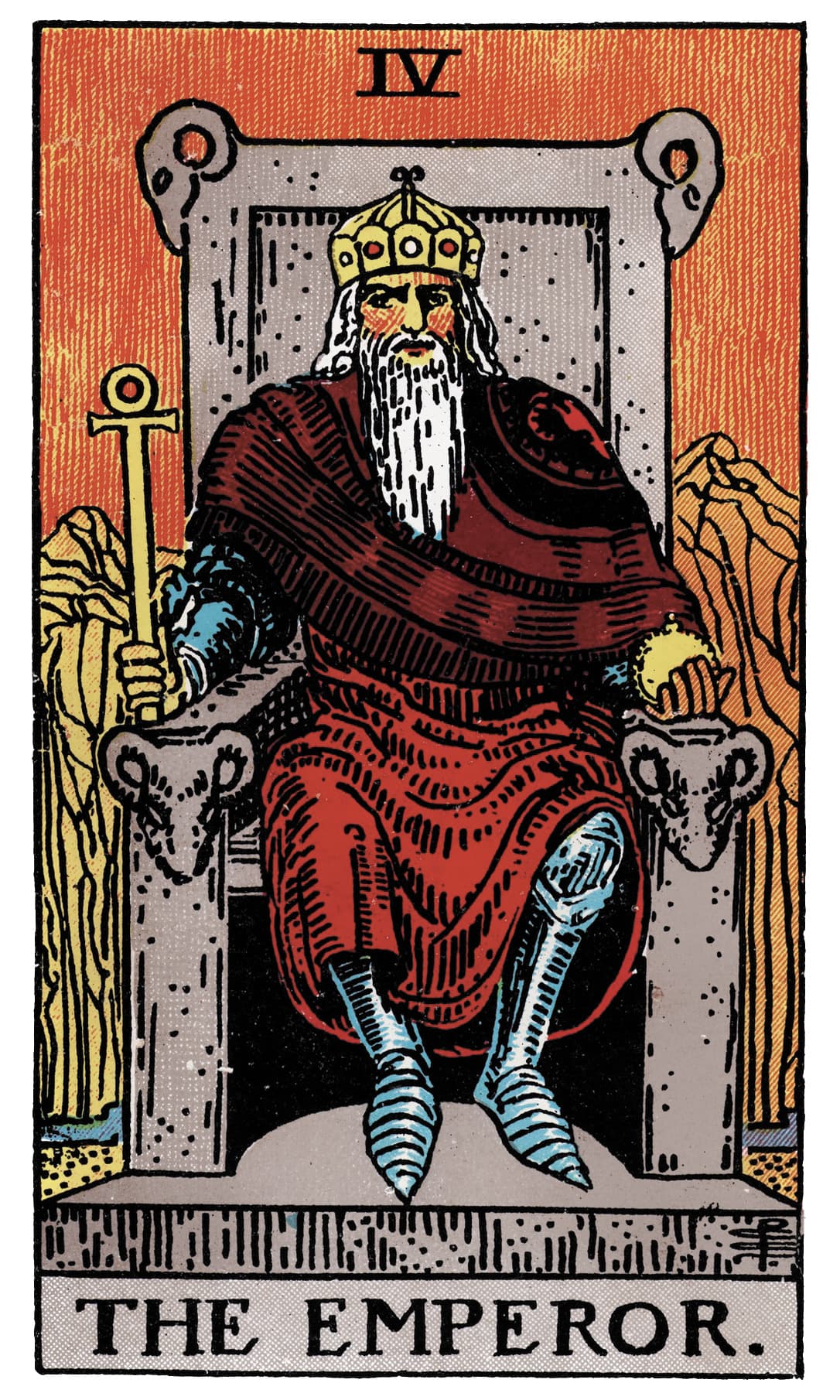
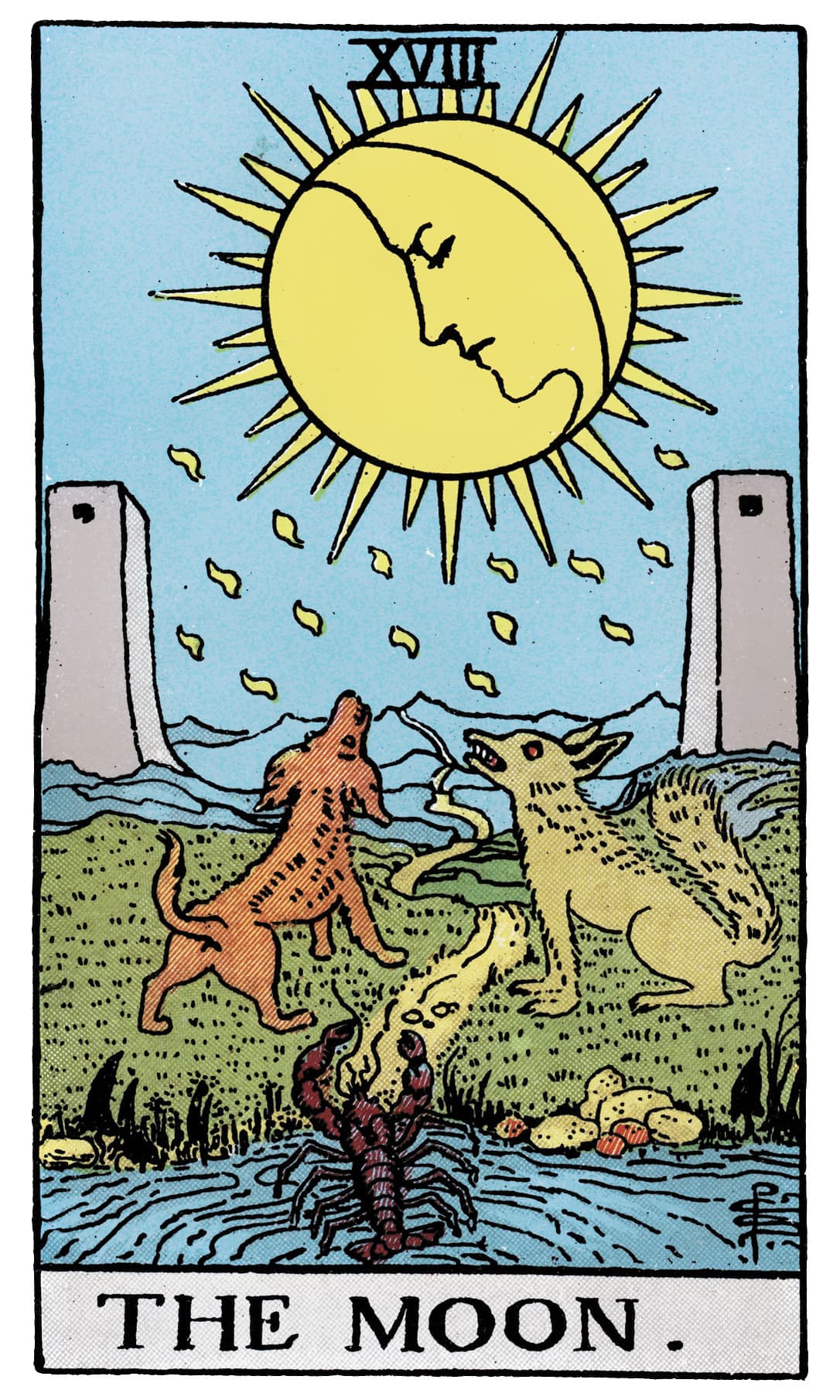
In the morning, once the dream is written down, shuffle and ask: “What is this dream trying to tell me?” One card does not replace interpretation, but it shows you which way in. For phrasing questions well, see how to ask tarot a question.
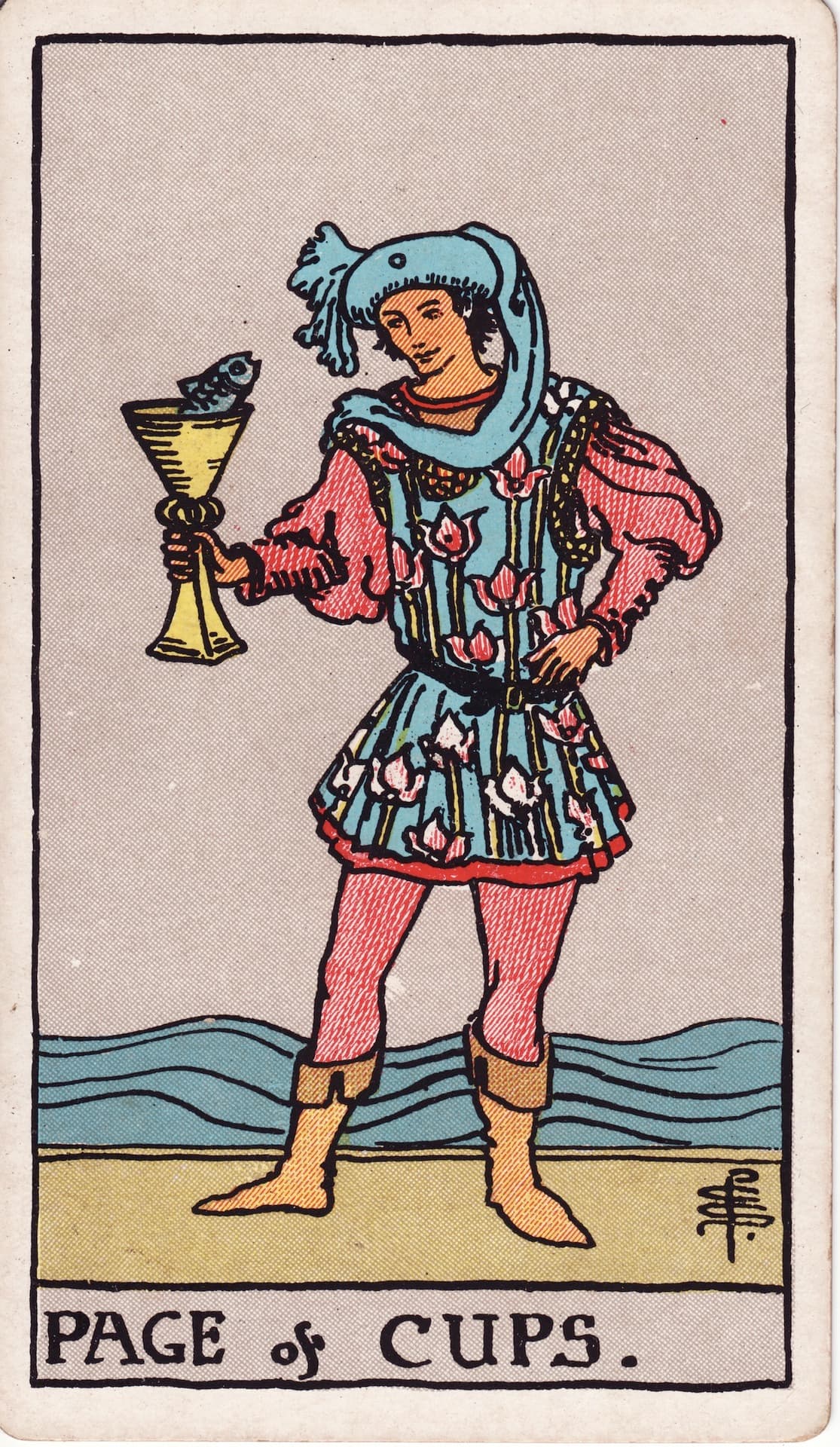
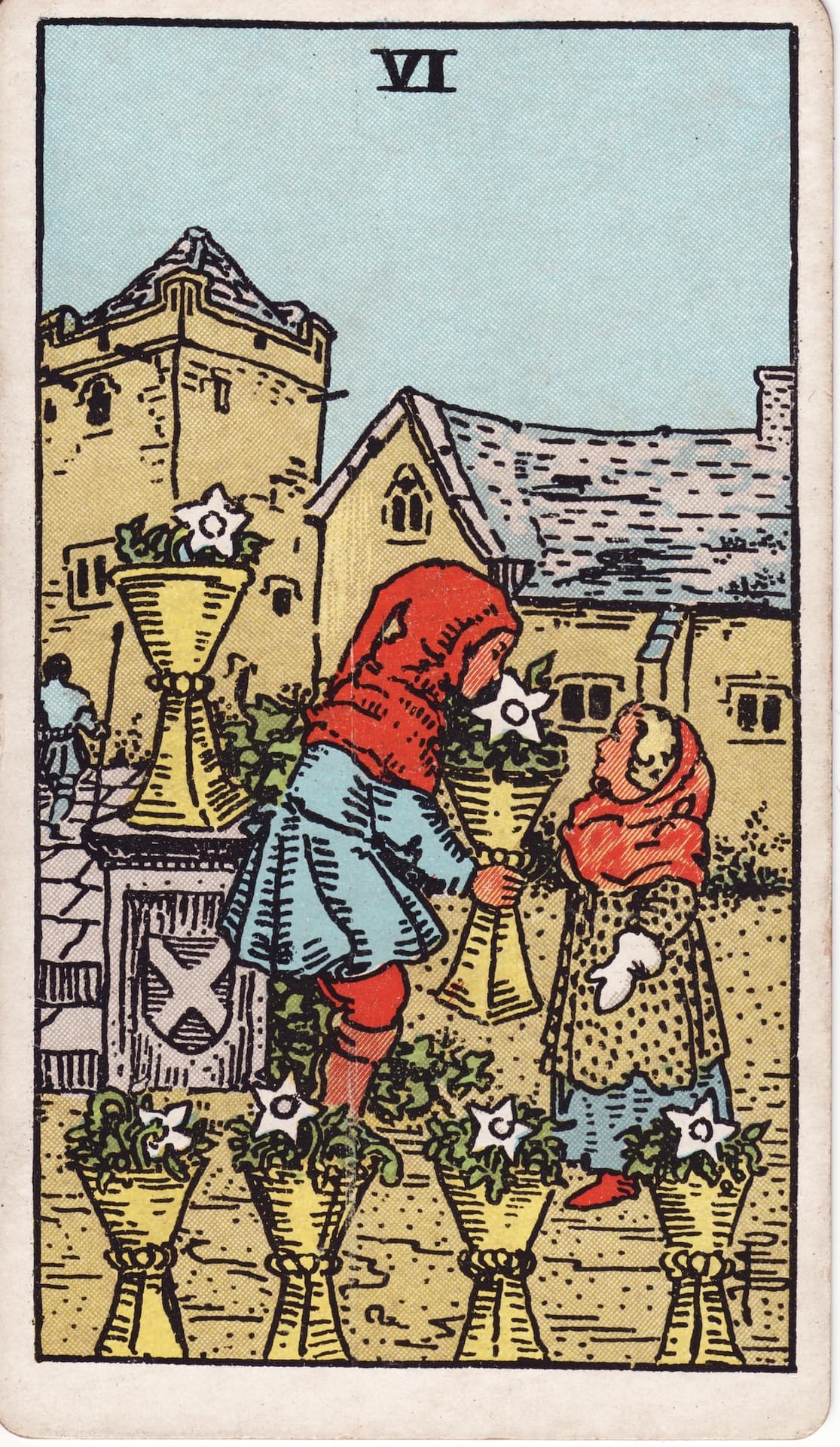
A few examples. A flood dream with the Page of Cups: the feelings washing over you bring new sensitivity, not only danger, like the fish peeking out of the Page's cup. A dream about your ex with the Six of Cups: you miss who you were then, not the person. Teeth falling out with The Emperor: the theme is agency and the sense of holding your life in your own hands.
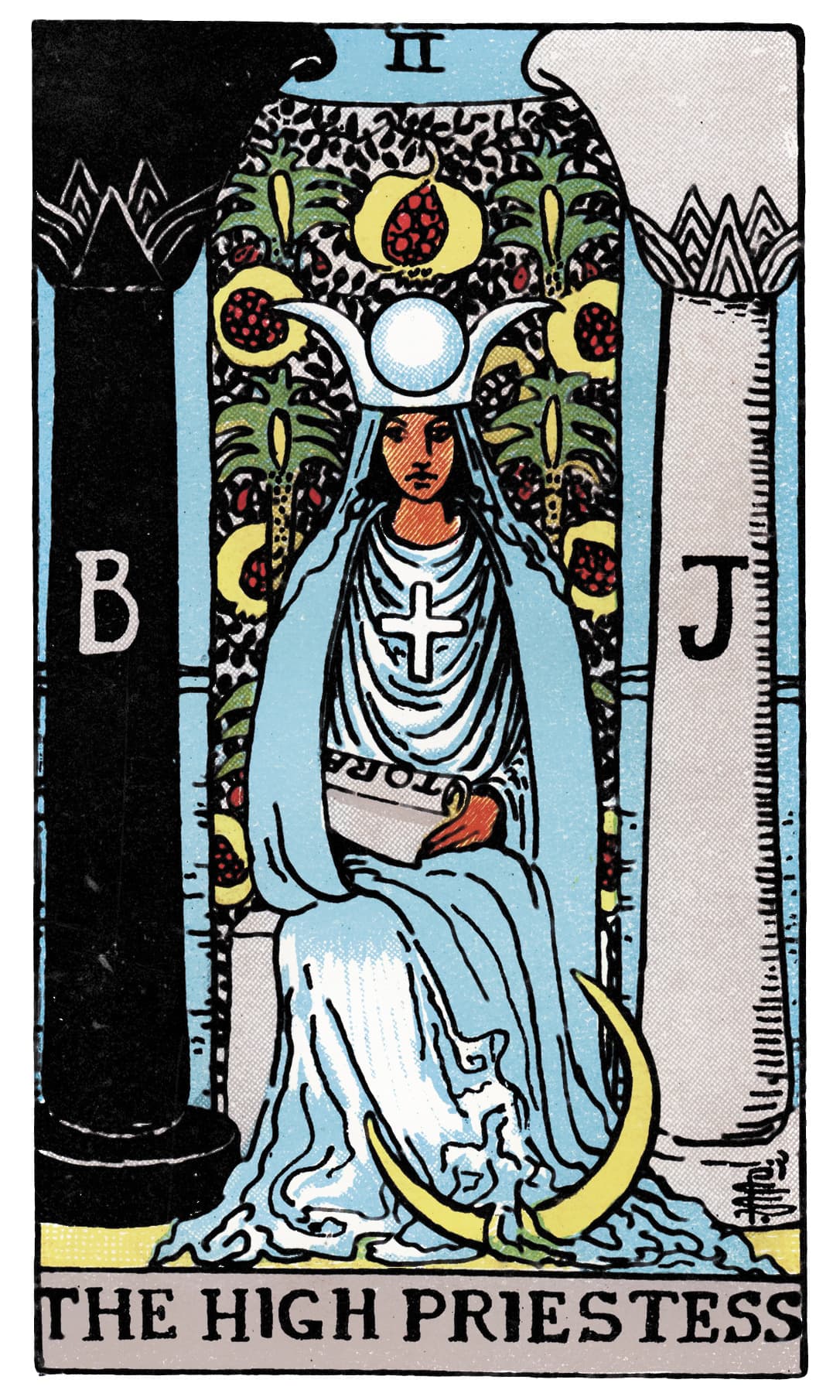
If the High Priestess or The Moon comes up for a dream, readers take it as a sign the dream has a deeper layer and is worth returning to over the next few nights. Both cards are covered in the Major Arcana guide.
Herbs and crystals for dreaming
The simplest dream pillow is a linen pouch with a handful of mugwort, lavender and hops, a few rose petals and a small amethyst, tucked under your pillow. If nightmares arrive together with a heavy atmosphere at home, see the guide on protection from negative energy.
- Mugwort: Artemisia vulgaris, the herb of Artemis and the classic dream herb. A teaspoon of dried herb in a cup of hot water half an hour before bed, or a sachet under the pillow. Dreams turn vivid, sometimes very intense. Herbalists have always said mugwort is not for pregnancy.
- Lavender, hops and chamomile: calmer sleep and fewer nightmares.
- Amethyst: under the pillow it guards against bad dreams and sharpens intuition. Cleanse it in moonlight, since sunlight fades it.
- Moonstone: the stone of prophetic dreams, strongest on the full moon.
- Labradorite and Herkimer diamond: support lucid dreaming and dream recall.
Frequently asked questions
What does it mean when you dream about your teeth falling out?
Most often it speaks of power, self-image and a sense of control, sometimes of words you did not manage to say. Old European folklore read a tooth falling out with blood as news of someone close. Notice the feeling in the dream, since that tells you which layer is yours.
What does it mean to dream about a dead relative?
Tradition separates grief dreams, where you are processing loss, from visitation dreams. Visitations are vivid and calm, the person looks well, and you wake with a sense of their presence. Write down their words exactly, as the message is usually short and specific.
How can I tell if a dream is prophetic?
Prophetic dreams feel different: clearer, calmer and unusually memorable, with a lingering sense of weight. They usually speak in symbols rather than showing events directly. Keep a dated journal so you can check later which dreams came true.
How do I remember my dreams?
Do not jump up or reach for your phone. Lie still, recall the last image and work backwards, then write the dream down in the present tense. Setting the intention “I will remember my dream” before sleep makes a noticeable difference.
Why do I keep dreaming about my ex?
It is rarely about the person. Usually the dream is about who you were at that time, or a pattern repeating in your current relationship. It often appears when you meet someone new or are closing an old chapter.
Personal reading
A dream that will not let you go?
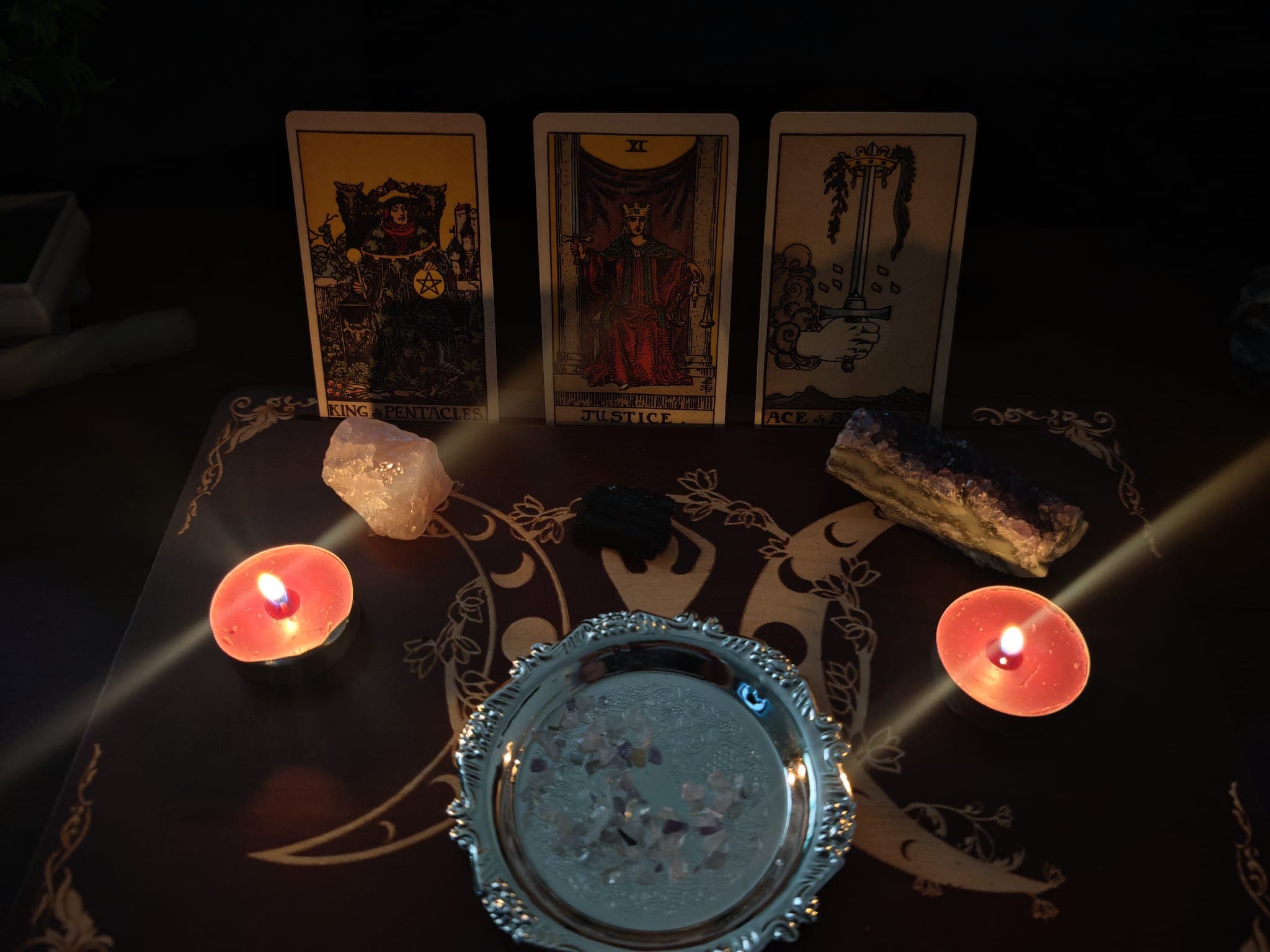
If a dream keeps returning or left you with a question you cannot answer, the cards can help name it. A 3-Card Reading (22 EUR) shows where the dream comes from, what it carries and what to do with it. You receive a photo of the real spread, a written interpretation and one free follow-up question within 48 hours.
Order a 3-Card Reading →